Rabbit Heatstroke: Symptoms, First Aid & Prevention Guide
- Why Rabbits Overheat So Easily
- Rabbits at Extra Risk
- Indoor Rabbits Are Not Automatically Safe
- Early Signs of Heatstroke
- First Aid: What to Do Right Away
- Why a Vet Visit Still Matters After Recovery
- What the Vet Checks For
- Expert Tips: Preventing Heatstroke
- Heatstroke or Just a Warm-Weather Slump?
- Common Mistakes Owners Make
- Final Thoughts
Note: This article is for informational purposes only and does not replace professional veterinary advice.
Quick Answer
Rabbits can overheat once ambient temperatures reach the mid-70s Fahrenheit, especially without shade or airflow. Watch for rapid open-mouth breathing, hot or flushed ears, lethargy, and tremors, and cool the ears with tap water while calling a rabbit-savvy vet immediately rather than waiting to see if your rabbit recovers on its own.
Rabbits overheat much faster than most owners expect, and the outcome often comes down to how quickly the signs are recognized and acted on. Unlike dogs and cats, rabbits can't cool themselves efficiently through panting or sweating, so a warm afternoon that feels merely uncomfortable to a person can already be dangerous for a rabbit, especially one kept outdoors in a hutch. This guide covers the early warning signs that separate normal warm-weather behavior from a true emergency, the exact cooling steps to take before you can reach a vet, why a vet visit still matters even after a rabbit seems to recover, and how to prevent it from happening in the first place.
Why Rabbits Overheat So Easily
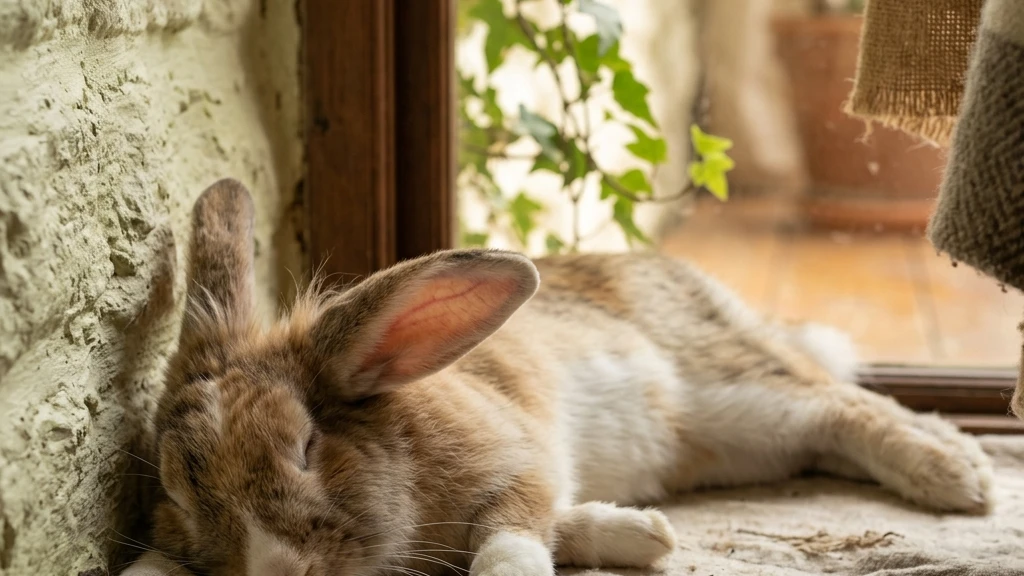
A rabbit's thick coat, which is excellent insulation against cold, becomes a real liability in heat. Rabbits also can't cool down the way dogs do through panting or the way people do through sweating, so most of their heat loss happens through their ears, which is why a rabbit's ears are one of the first places heat and cooling both show up. Rabbits are considered at risk of heatstroke once ambient temperatures climb into the mid-70s Fahrenheit, especially without shade, airflow, or access to a cooler area, and larger breeds, overweight rabbits, and lop-eared breeds with less ear surface area to release heat are all at higher risk than an average-sized, lean rabbit.
Rabbits at Extra Risk
- Large breeds such as Flemish Giants, which generate more body heat relative to their surface area
- Lop-eared breeds, since folded ears have less exposed surface area to release heat compared to upright ears
- Overweight rabbits, since extra body fat acts as additional insulation
- Senior rabbits and rabbits with an existing health condition, which can make regulating body temperature harder
- Rabbits housed outdoors in a hutch with limited shade or airflow
Indoor Rabbits Are Not Automatically Safe
Owners of indoor rabbits sometimes assume heatstroke is only an outdoor-hutch problem, but a warm room without air conditioning or airflow, especially during a multi-day heat wave, can put an indoor rabbit at real risk too. A carrier left in a parked car or a sunroom that traps heat during the afternoon are common indoor-adjacent situations that catch owners off guard.
Early Signs of Heatstroke
Watching for a combination of these signs gives a much clearer picture than waiting for one dramatic symptom.
- Rapid, open-mouth breathing or breathing with the head tossed back
- Lethargy, weakness, or a rabbit that seems unusually flat and unresponsive
- Muscle tremors or visible trembling
- Hot ears that feel noticeably warmer than normal to the touch
- Red or flushed-looking ears
- Wet or drooling around the mouth and nose
- Collapse or an inability to stay upright in more severe cases
unusual trembling or tremors paired with any of the signs above, especially in hot weather, should be treated as a possible heatstroke emergency rather than ordinary tiredness.
First Aid: What to Do Right Away
- Move your rabbit into shade or a cool room immediately, away from direct sun or a hot hutch
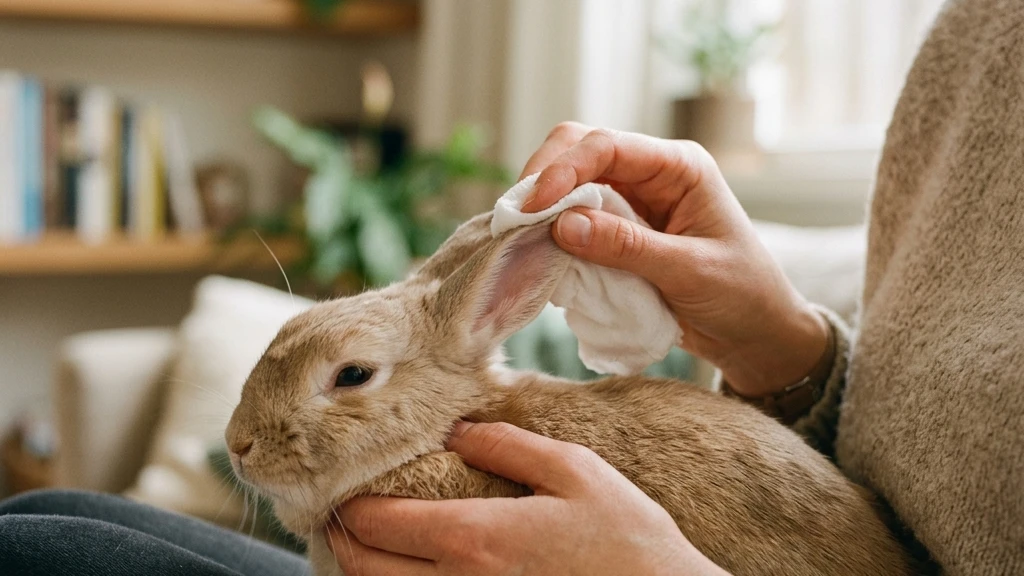
- Wet the ears with cool tap water, since this is where a rabbit loses heat most efficiently, and gently mist or wipe the body as well
- Offer cool drinking water, but never force a rabbit to drink if it isn't interested
- Avoid ice water, ice packs directly on the skin, or any sudden extreme temperature change, since a rapid shock can cause additional stress on the body
- Call a rabbit-savvy vet immediately, even while cooling steps are underway, and continue on to an in-person exam right after
Why a Vet Visit Still Matters After Recovery
A rabbit that looks better within a few minutes of cooling down hasn't necessarily avoided every risk. Heatstroke can cause internal organ stress that isn't visible from the outside, and a rabbit that seems fine can still develop complications, including the digestive slowdown covered in a sudden drop in appetite, over the following day or two. A full veterinary exam after any suspected heatstroke episode, even a mild one, is the only reliable way to confirm there's no hidden internal damage.
What the Vet Checks For
A vet exam after heatstroke typically looks at hydration status, kidney and organ function, and heart rate and rhythm, since heat stress can affect all three even in a rabbit that appears to have bounced back. Bloodwork may be recommended for a more severe episode to rule out damage that wouldn't be obvious from a physical exam alone. This article intentionally stays general here, since the right follow-up care depends entirely on how severe the episode was and should come directly from a licensed veterinarian.
Expert Tips: Preventing Heatstroke
- Provide constant shade and airflow for outdoor hutches, and never leave a rabbit in direct sun for extended periods
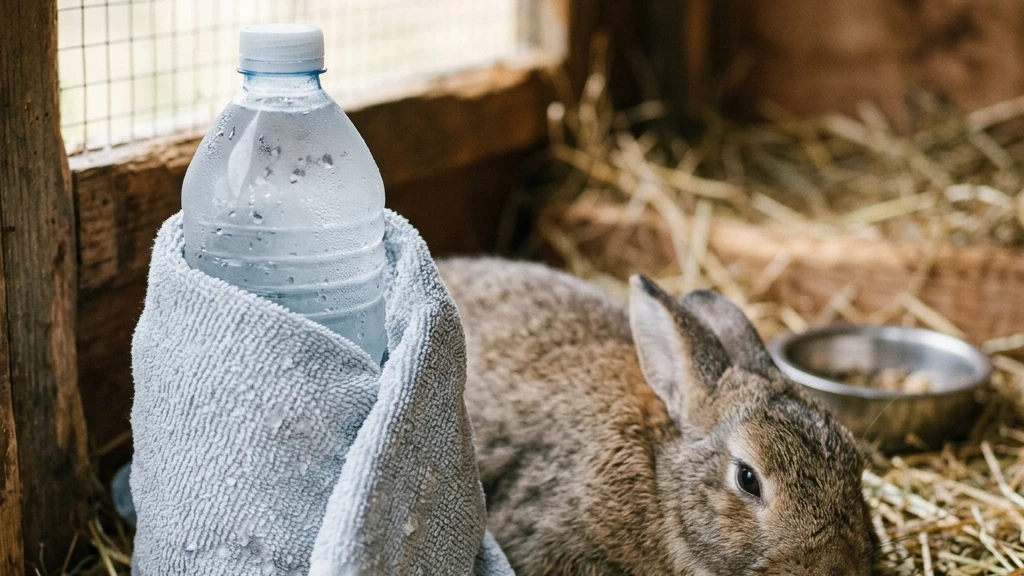
- Freeze a water bottle or a ceramic tile and place it in the enclosure for a rabbit to lie against on hot days
- Keep an eye on your rabbit's cage ventilation and setup, since good ventilation matters even more once summer temperatures climb
- Never leave a rabbit in a parked car, even briefly, since temperatures inside a car climb far faster than outside air
- Groom regularly during shedding season, since a coat matted with loose fur traps heat rather than releasing it
- Check on outdoor rabbits several times a day during a heat wave rather than assuming shade alone is enough
Heatstroke or Just a Warm-Weather Slump?
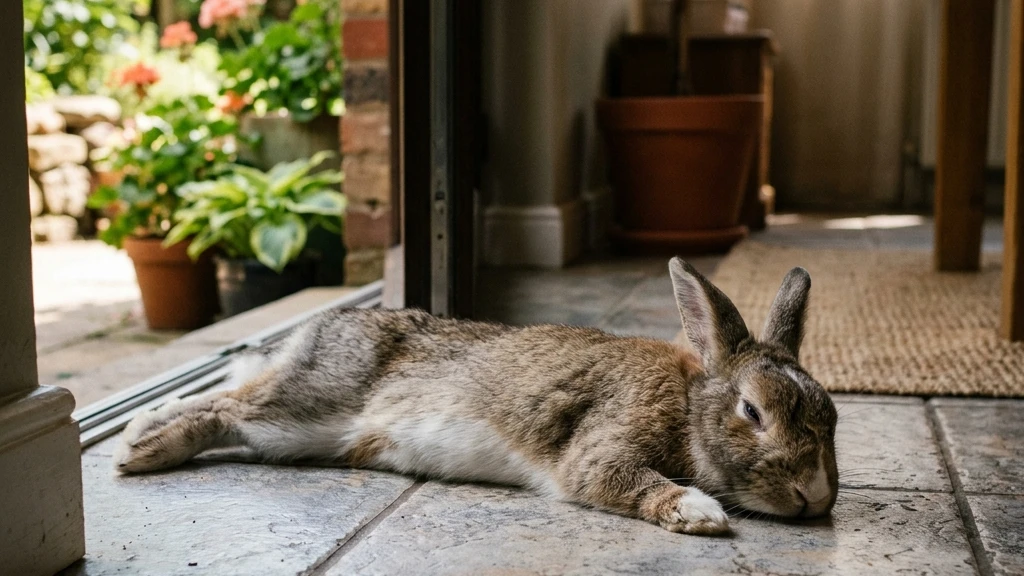
Rabbits do naturally slow down and rest more during hot weather, which can make it tricky to tell ordinary warm-day laziness from something more serious. A rabbit that's simply warm usually still stretches out to release heat through its belly, breathes normally through its nose, and perks back up once it moves to a cooler spot. The signs to actually worry about are open-mouth breathing, ears that feel hot rather than just slightly warm, and a rabbit that stays flat and unresponsive even after being moved somewhere cooler. When those show up together, treat it as an emergency rather than assuming your rabbit is just having a lazy day.
Common Mistakes Owners Make
- Assuming a rabbit is fine in the same outdoor temperature that feels comfortable to a person
- Using ice water or ice packs directly on the skin instead of cool water, which can cause additional shock
- Skipping the vet visit once a rabbit seems to perk back up after cooling down
- Not checking ear temperature and color as an early warning sign before more severe symptoms appear
- Leaving an outdoor hutch without shade or airflow during a heat wave
- Transporting a rabbit in a hot car or leaving one in a parked car even briefly
Final Thoughts
Rabbits can go from a little warm to a genuine emergency faster than most owners expect, which makes recognizing the early signs, cooling the ears quickly, and following up with a vet visit the three things that matter most. A little prevention, like shade, airflow, and a frozen water bottle on hot days, goes a long way toward avoiding the emergency altogether. For the fundamentals of keeping a rabbit healthy and comfortable year-round, this complete rabbit care guide covers the daily basics every owner should have in place.
Cool the ears with tap water and get to a rabbit-savvy vet immediately if you notice rapid open-mouth breathing, hot ears, or tremors in warm weather, and don't skip the follow-up exam even if your rabbit seems to recover quickly.
This guide is for general education and is not a substitute for veterinary care. Any rabbit showing signs of heatstroke should be seen by a rabbit-experienced veterinarian promptly, even after first-aid cooling steps appear to help.
Medical Disclaimer
This content is provided for informational and educational purposes only and should not be considered veterinary, medical, behavioral, or training advice. While we strive for accuracy, we make no guarantees regarding completeness or results. Always consult a licensed veterinarian or qualified pet care professional before making decisions about your pet’s health, diet, or behavior.
AI Illustration Notice
Some images in this article may have been generated or enhanced using artificial intelligence for illustrative purposes.
Frequently Asked Questions
Early signs include rapid open-mouth breathing and unusually hot or flushed ears. Lethargy tremors and an unresponsive flat posture point to a more advanced and urgent case.
Rabbits are considered at risk once ambient temperatures climb into the mid-70s Fahrenheit especially without shade or airflow. Outdoor hutch rabbits face the highest risk during a heat wave.
Move the rabbit into shade or a cool room and wet the ears with cool tap water since that's where rabbits lose heat most efficiently. Avoid ice water or ice packs directly on the skin since a sudden extreme change can cause additional stress.
Rabbits release most of their body heat through their ears rather than through panting or sweating. Hot flushed ears are often one of the earliest visible signs of overheating.
Yes. Heatstroke can cause internal organ stress that isn't visible from the outside so a full exam is the only reliable way to rule out hidden complications. Skipping this step is one of the most common mistakes owners make.
Larger breeds overweight rabbits and lop-eared breeds with less ear surface area to release heat all face higher risk. Outdoor hutch rabbits without adequate shade or airflow are also especially vulnerable.
Yes, and it can happen very quickly since temperatures inside a parked car climb far faster than the outside air. Never leave a rabbit in a car even for a short errand.
Provide constant shade and airflow along with a frozen water bottle or ceramic tile to lie against on hot days. Check outdoor rabbits several times a day during a heat wave rather than assuming shade alone is enough.
No. Ice water or ice packs directly on the skin can cause a sudden temperature shock so cool tap water is the safer choice. Gradual cooling is more effective and less risky than an extreme rapid change.
Yes, if a room gets too warm or lacks airflow especially during a heat wave without air conditioning. Indoor rabbits still need a cool shaded spot and fresh water available at all times.
Normal vs. Concerning Symptoms
A general guide to help you tell everyday variation apart from something worth a vet visit. This is educational context, not a diagnosis.
| Symptom | What's Normal | When to Be Concerned |
|---|---|---|
| Breathing | Calm quiet breathing through the nose | Rapid open-mouth breathing with the head tossed back |
| Ears | Normal temperature and color | Hot to the touch or red and flushed looking |
| Energy level | Normal alertness and movement | Lethargy weakness or an unresponsive flat posture |
| Body movement | Steady coordinated movement | Muscle tremors or collapse |
What Should I Do Next?
A general decision guide — always use your own judgement and contact a veterinarian for anything beyond routine care.
- Move your rabbit to shade or a cool room immediately Get them away from direct sun or a hot hutch as the very first step.
- Cool the ears with tap water Rabbits release most body heat through their ears so this is the fastest way to help.
- Avoid ice water or ice packs directly on the skin A sudden extreme temperature change can add stress to an already overheated body.
- Call a rabbit-savvy vet immediately Do this while cooling steps are underway rather than waiting until after your rabbit seems better.
- Follow up with a full exam even after recovery Heatstroke can cause internal organ stress that isn't visible from the outside.
Common Mistakes
- Assuming a rabbit is fine in the same outdoor temperature that feels comfortable to a person
- Using ice water or ice packs directly on the skin instead of cool water, which can cause additional shock
- Skipping the vet visit once a rabbit seems to perk back up after cooling down
- Not checking ear temperature and color as an early warning sign before more severe symptoms appear
- Leaving an outdoor hutch without shade or airflow during a heat wave
- Transporting a rabbit in a hot car or leaving one in a parked car even briefly
Prevention Tips
- Provide constant shade and airflow for outdoor hutches at all times
- Freeze a water bottle or ceramic tile for a rabbit to lie against on hot days
- Never leave a rabbit in a parked car even briefly
- Groom regularly during shedding season so a matted coat doesn't trap heat
- Check on outdoor rabbits several times a day during a heat wave
- Keep fresh cool water available at all times during warm weather
Illustrative Example
Consider an owner who notices their outdoor rabbit breathing rapidly with its mouth open during an unusually hot afternoon, along with ears that feel noticeably warmer than normal. Instead of assuming the rabbit will cool down on its own in the shade, the owner immediately moves it indoors, wets its ears with cool tap water, and calls a rabbit-savvy vet while continuing to monitor its breathing. The rabbit's condition improves within about twenty minutes, but the owner still brings it in for a same-day exam, where bloodwork confirms no lasting organ stress. Acting on the very first signs rather than waiting to see if the rabbit improved on its own made the difference between a scary afternoon and a genuine emergency.
Practical Checklist
- Watch for rapid open-mouth breathing and hot or flushed ears in warm weather
- Move an overheated rabbit to shade or a cool room immediately
- Cool the ears with tap water rather than ice water or ice packs
- Call a rabbit-savvy vet right away even while cooling steps are underway
- Schedule a follow-up exam even if your rabbit seems to recover quickly
- Set up shade airflow and a frozen water bottle for outdoor hutches ahead of hot weather
Editorial Note
This article is part of PetNurture's educational library.
Topics draw on publicly available educational resources, recognised veterinary organisations, academic publications and established animal welfare references where appropriate.
The specific sources this article draws on are listed in its References section. If you spot an error, please let us know.
References
The information in this article has been reviewed and supported using the following sources.
PDSA
Confirms core heatstroke symptoms, the recommended cooling method (cool water on ears, avoiding sudden extreme temperature change), and the need for a full vet exam afterward; supports the Symptoms, First Aid, and Vet Visit sections of this article.
Accessed Aug 21, 2026
Rabbit Haven
Confirms rabbits' limited ability to cool themselves compared to panting or sweating species and the role of the ears in heat regulation; supports the Why Rabbits Overheat So Easily section of this article.
Accessed Aug 21, 2026
Pet Emergency Guidance
Every pet is unique. If your pet exhibits severe symptoms, sudden behavioral changes, or a medical emergency, do not rely on online guides — contact a licensed veterinarian or emergency clinic immediately.
About PetNurture
PetNurture is an educational library of pet care guides, interactive tools and practical resources for pet parents. We work continuously to keep our content accurate and up to date. Reader feedback helps us maintain content quality.
Related Articles
Popular Rabbit Guides