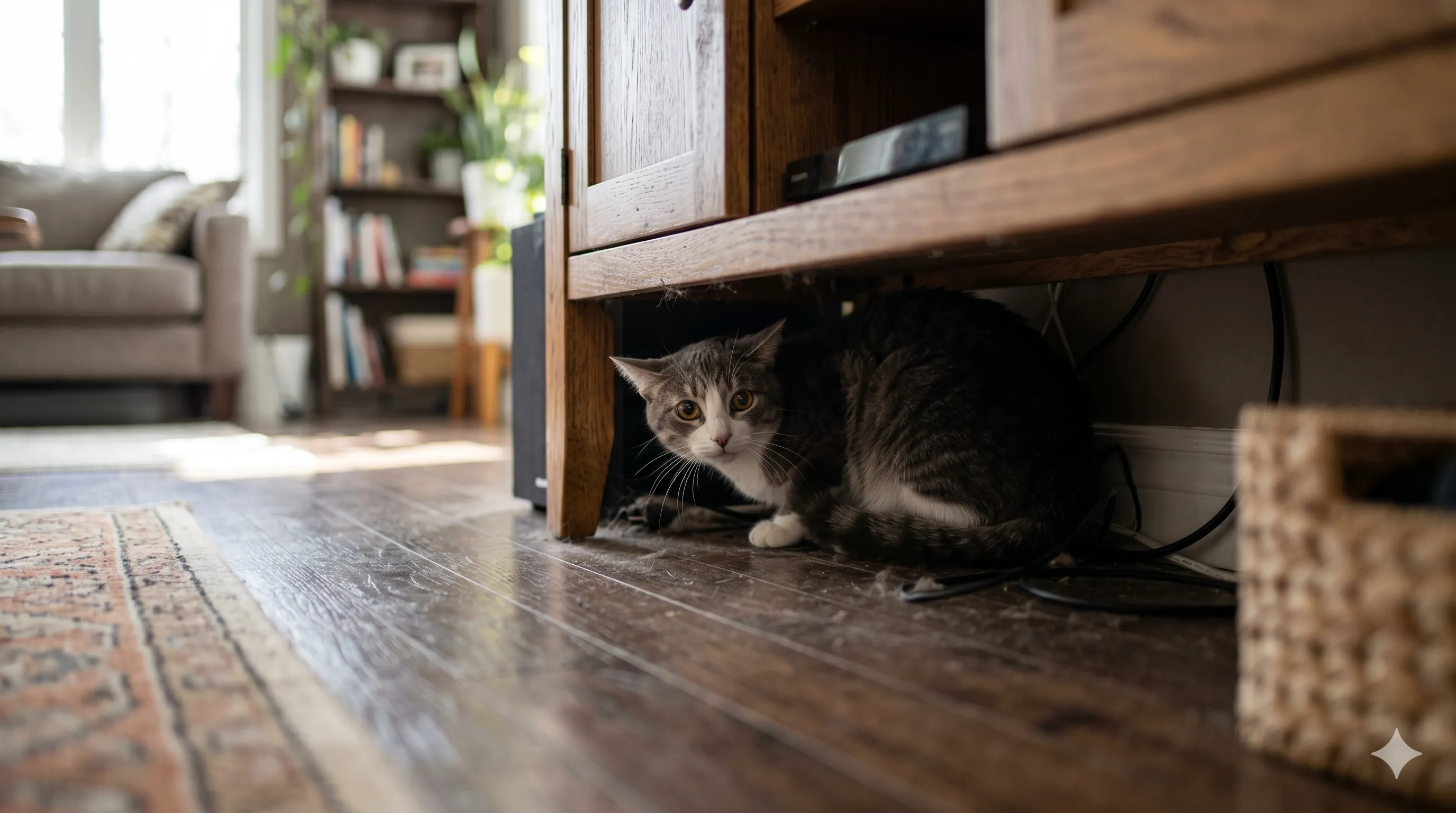
Best Cat Breeds for Beginners: Easygoing & Low-Maintenance Picks
- What Makes a Cat Breed Good for Beginners
- Why a "Beautiful" Breed Can Still Be a Bad First Choice
- Best Cat Breeds for First-Time Owners
- American Shorthair
- Ragdoll
- Maine Coon
- British Shorthair
- Exotic Shorthair
- Russian Blue
- Beginner Breeds at a Glance
- A Popular Breed Worth Rethinking: The Scottish Fold
- Don't Overlook a Mixed-Breed Shelter Cat
- Meeting a Breed Before You Commit
- Getting Ready Before You Bring a Cat Home
- Common Mistakes First-Time Cat Owners Make
- Final Thoughts
Note: This article is for informational purposes only and does not replace professional veterinary advice.
Quick Answer
The best cat breeds for beginners are American Shorthair, Ragdoll, Maine Coon, British Shorthair, Exotic Shorthair, and Russian Blue thanks to their calm temperaments, manageable grooming, and generally strong health. Avoid the popular Scottish Fold, since every folded-ear cat of that breed carries a painful incurable joint condition, and don't overlook a mixed-breed shelter cat as a genuinely smart first pet.
Choosing a first cat comes down to more than which breed looks cutest online. The cat breeds that actually work well for beginners share a specific set of traits: an easygoing temperament that tolerates a learning-curve owner, a coat that doesn't demand daily grooming, and a general lack of serious inherited health problems that can mean expensive vet bills early on. One of the most commonly recommended breeds on other beginner lists, the Scottish Fold, actually carries a well-documented painful genetic condition that many veterinary and welfare organizations advise against supporting. This guide breaks down which cat breeds genuinely suit a first-time owner, one popular breed worth rethinking, why a shelter mixed-breed cat deserves serious consideration, and what to have ready before any cat comes home.
What Makes a Cat Breed Good for Beginners
A beginner-friendly breed usually scores well on four things: temperament that adapts easily to a new home and a less experienced handler, grooming needs that fit a realistic weekly routine, an activity level that doesn't require constant enrichment to stay content, and a lower rate of breed-specific inherited health conditions. Looks and popularity don't factor into any of these, which is exactly why some heavily marketed breeds are a poor match for a first pet while several less flashy ones are excellent choices. If you are still deciding, our free cat breed selector matches breeds to your home and lifestyle in a few questions.
Why a "Beautiful" Breed Can Still Be a Bad First Choice
Breeds like the Siamese or Bengal are often stunning and highly intelligent, but that same intelligence tends to come with a demanding, vocal, high-energy personality that expects near-constant interaction and mental stimulation. A beginner who picks a breed like this purely for its looks can end up overwhelmed within weeks, not because the cat did anything wrong, but because the breed's real temperament was never a match for a first-time routine. Matching temperament to lifestyle first, then narrowing down by appearance, avoids this exact mismatch.
Best Cat Breeds for First-Time Owners
These six breeds consistently show up across veterinary and breed-expert sources as genuinely well-suited to new owners, based on temperament, grooming demands, and overall health.
American Shorthair
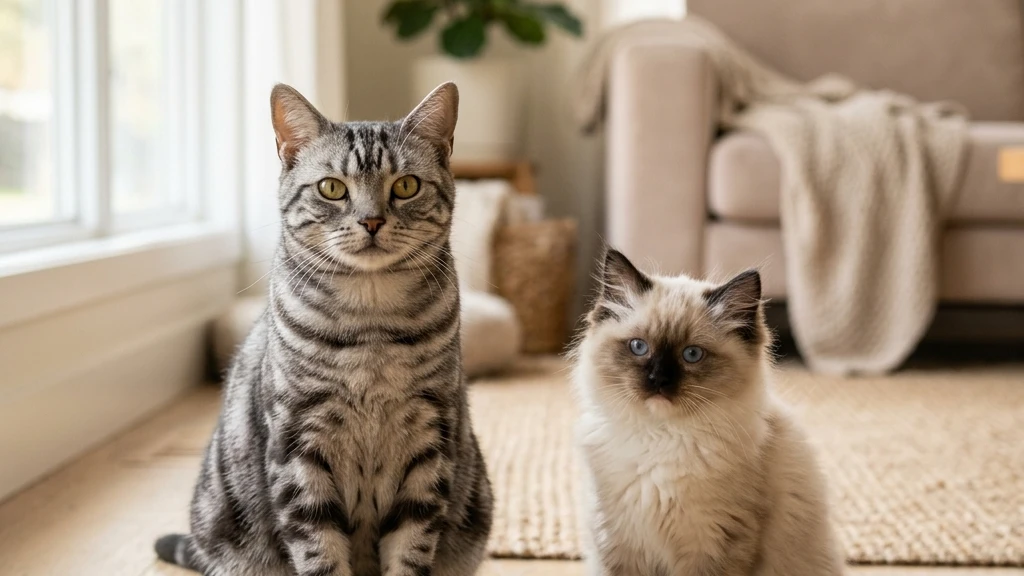
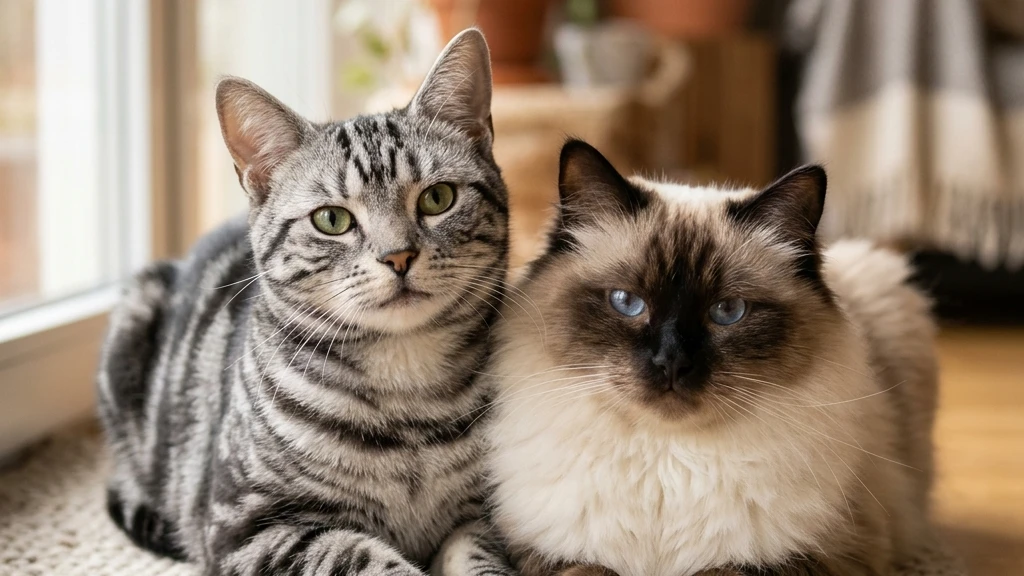
Calm, adaptable, and famously low-maintenance, the American Shorthair is often called the default beginner breed for good reason. Their short dense coat needs only occasional brushing, they tend to be naturally healthy with few breed-specific problems, and their easygoing nature holds up well through a new owner's early mistakes. They also tend to get along well with children, other cats, and dogs, which makes them a flexible fit for almost any household setup.
Ragdoll
Ragdolls are known for going limp and relaxed when picked up, and their affectionate, people-focused nature makes them forgiving of a beginner still learning cat body language. Their semi-long coat needs weekly brushing to prevent mats, which is a manageable step up from a shorthair but still far less demanding than a full-coat Persian. Ragdolls also tend to be more dependent on human company than some other breeds on this list, so they suit a household where someone is around fairly often rather than an owner who travels constantly.
Maine Coon
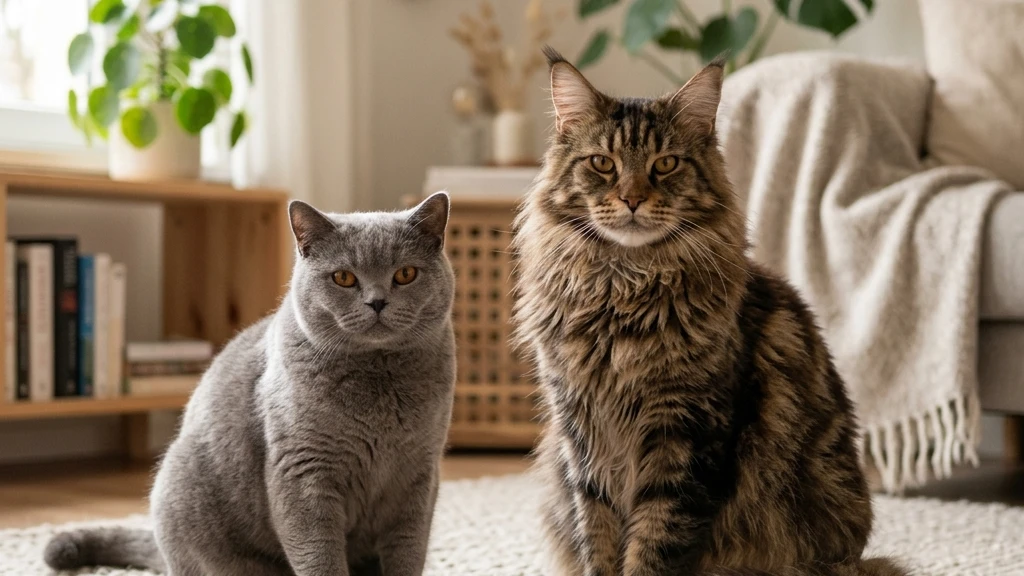
Maine Coons are large, sociable, and often described as dog-like in how closely they bond with their household, including getting along well with children and other pets. Their thick coat needs weekly brushing and more during seasonal shedding, and their size means they appreciate more floor and climbing space than a small apartment cat might need. Their playful streak tends to last well into adulthood, so a few interactive toys go a long way toward keeping a Maine Coon content.
British Shorthair
Dignified and unbothered by much, the British Shorthair is a genuine couch companion that doesn't demand constant attention, which suits an owner still figuring out a routine. Their dense plush coat sheds but only needs weekly brushing, and they tend to be a sturdy, generally healthy breed. They're also fairly independent, which makes them a reasonable fit for an owner with a busier work schedule.
Exotic Shorthair
Bred as a short-coated alternative to the Persian, the Exotic Shorthair keeps the sweet relaxed personality without the daily grooming a full Persian coat requires. Their flatter face can still bring some of the same tear-staining and breathing considerations seen in Persians, so a beginner considering this breed should ask a breeder or vet about the specific cat's facial structure before committing. Beyond that consideration, they tend to be quiet, gentle, and content with a calm indoor routine.
Russian Blue
Quiet, a little reserved with strangers, and deeply affectionate once bonded, the Russian Blue suits an owner who wants a calmer, less demanding companion. Their short dense double coat needs only occasional brushing, and they're generally considered a robust, low-health-risk breed. They also tend to settle into a predictable daily routine quickly, which many first-time owners find reassuring. Longer-coated picks like Ragdoll and Maine Coon also mean managing seasonal shedding becomes a regular part of the routine, especially during spring and fall coat blow, so factor that into which breed actually fits your schedule.
Beginner Breeds at a Glance
- American Shorthair: minimal grooming, calm and adaptable, few known breed-specific health risks
- Ragdoll: weekly grooming, affectionate and people-focused, does best with regular company
- Maine Coon: weekly grooming plus more during shedding season, playful and dog-like, needs more space to roam
- British Shorthair: weekly grooming, independent and unbothered, a solid family fit
- Exotic Shorthair: minimal grooming, sweet and relaxed, check facial structure for breathing comfort before adopting
- Russian Blue: minimal grooming, reserved with strangers but deeply affectionate once bonded
A Popular Breed Worth Rethinking: The Scottish Fold
Scottish Folds show up on nearly every other beginner cat-breed list because of their distinctive folded ears, but that same folded-ear trait comes from a genetic mutation that affects cartilage throughout the body, not just the ears. According to International Cat Care and veterinary sources, every Scottish Fold with folded ears carries some degree of a condition called osteochondrodysplasia, which can cause early-onset arthritis, joint pain, and in more severe cases a loss of mobility, and there is currently no cure. Because of this, groups including the Fédération Internationale Féline do not recognize the folded-ear form of the breed at all, and many vets consider breeding for the folded ear a genuine animal-welfare concern. If the look draws you in, consider a straight-eared British Shorthair instead, which shares a similar build and temperament without the same inherited joint condition, or talk to a vet about what to watch for if you already have your heart set on a Fold from a specific litter.
Don't Overlook a Mixed-Breed Shelter Cat
The single most common first cat in the US and Canada isn't a purebred at all. It's a domestic shorthair or mixed-breed cat from a local shelter, and there are real practical reasons that's often the smarter beginner choice rather than a consolation prize. Mixed-breed cats generally don't carry the same breed-specific inherited conditions purebreds can, shelter adoption fees typically already include spaying or neutering and initial vaccines, and shelter staff can usually describe a specific cat's real personality rather than relying on a breed standard that any individual cat might not fully match. An adult shelter cat in particular comes with an already-settled temperament, which removes a lot of the guesswork a kitten brings, and a slower step-by-step introduction still applies to any adopted adult cat even if you skip the kitten stage entirely.
Meeting a Breed Before You Commit
Reading about a breed and actually meeting one are two different things, and a beginner benefits far more from the second. Reputable breeders will let you meet a kitten's parents, which gives a realistic preview of adult temperament and coat condition. Breed-specific rescue groups exist for most of the cats on this list and often already know each cat's individual personality well beyond the breed standard. A regional cat show is also a low-pressure way to meet several breeds in person, ask owners direct questions, and see coat and grooming needs firsthand before committing to one for years.
Getting Ready Before You Bring a Cat Home
- Set up a litter box in a quiet low-traffic spot and plan for reliable stress-free litter box training from day one so the habit sticks before any bad habits form
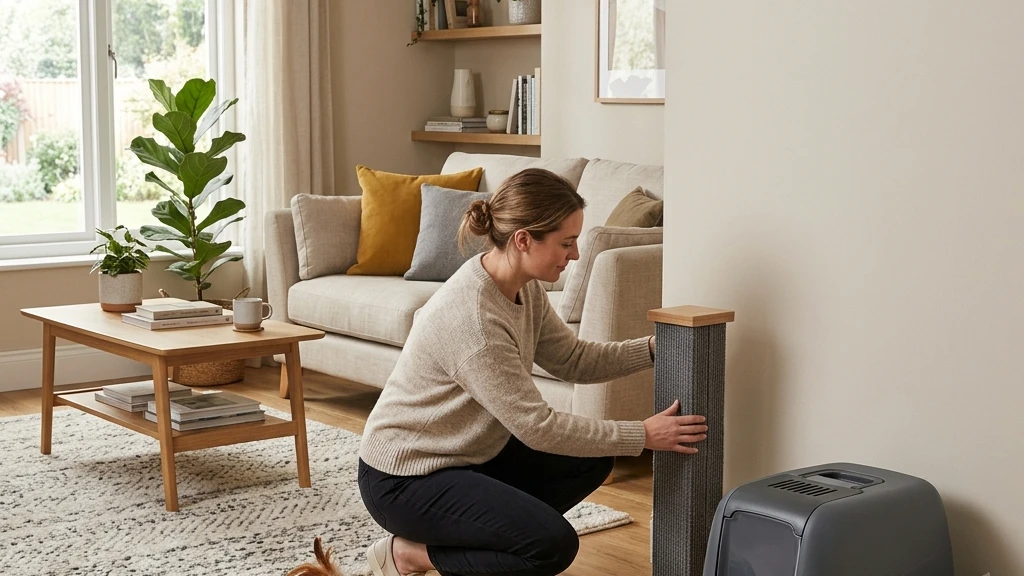
- Buy a scratching post before the cat arrives rather than after the couch becomes the target
- Schedule a first checkup and ask your vet about a regular vet visit schedule going forward so you're not guessing at timing later
- Transition any new food gradually over 7 to 10 days to avoid stomach upset
- Give a new cat a single quiet room for the first few days rather than letting them roam the whole house immediately
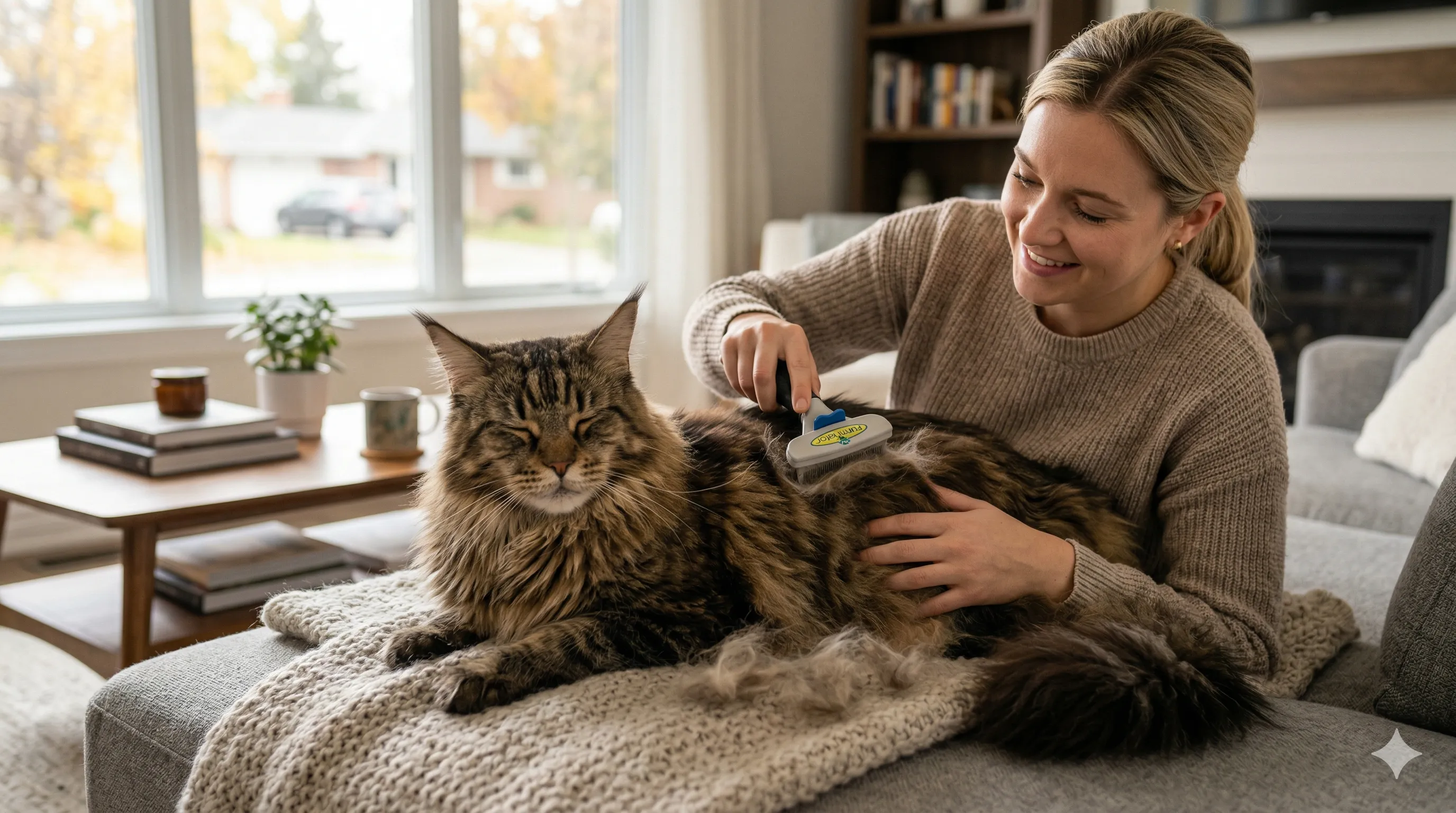
- Have a brush on hand that matches the coat type, since a semi-long-haired breed like Ragdoll or Maine Coon needs a different tool than a shorthair
Common Mistakes First-Time Cat Owners Make
- Choosing a breed based on looks or online popularity instead of temperament grooming needs and known health risks
- Adopting a Scottish Fold or another breed with a known inherited condition without researching what that condition actually involves
- Assuming every cat of a given breed will act exactly like the breed description since individual personality still varies
- Skipping a scratching post and then being surprised when a bored cat scratches furniture instead
- Letting a new cat explore the entire home on the first day instead of a slower supervised introduction
- Overlooking mixed-breed shelter cats entirely because a purebred looked more appealing in photos
Final Thoughts
The best first cat isn't necessarily the most popular breed online. It's the one whose temperament, grooming needs, and health profile actually match the routine a new owner can realistically keep up with, whether that's an American Shorthair, a Ragdoll, or a mixed-breed cat waiting at a local shelter. Whichever cat you choose, learning the warning signs your cat may be sick in the weeks after adoption helps you catch a genuine problem early instead of mistaking it for normal settling-in stress.
The safest beginner choice is a breed with a calm adaptable temperament and no known inherited health condition, and a mixed-breed shelter cat often checks every one of those boxes.
This guide is meant to help you choose a breed that fits your lifestyle and household. A reputable breeder or your local shelter can give guidance specific to any individual cat you're considering, and a vet visit soon after adoption is the best way to catch anything breed-specific early.
Medical Disclaimer
This content is provided for informational and educational purposes only and should not be considered veterinary, medical, behavioral, or training advice. While we strive for accuracy, we make no guarantees regarding completeness or results. Always consult a licensed veterinarian or qualified pet care professional before making decisions about your pet’s health, diet, or behavior.
AI Illustration Notice
Some images in this article may have been generated or enhanced using artificial intelligence for illustrative purposes.
Frequently Asked Questions
The American Shorthair is often considered the top beginner breed because of its calm adaptable temperament and low grooming needs plus generally strong health. Ragdolls and British Shorthairs are close runners-up for owners who want an equally easygoing but more affectionate companion.
Yes. Ragdolls are known for their relaxed people-focused personality and tolerance of handling which suits an owner still learning cat behavior. Their semi-long coat needs weekly brushing so plan for a bit more grooming than a shorthair breed.
Maine Coons need weekly brushing to manage their thick coat and more during seasonal shedding periods. Their friendly dog-like personality still makes them a strong beginner pick despite the extra coat care.
Most veterinary and welfare sources advise against it. Every folded-ear Scottish Fold carries some degree of a painful incurable joint condition called osteochondrodysplasia so a straight-eared breed with a similar temperament is a safer choice for a new owner.
The American Shorthair and Russian Blue both need only occasional brushing thanks to their short dense coats. Both breeds also tend to be naturally healthy which keeps ongoing care fairly simple for a beginner.
Mixed-breed cats generally avoid the specific inherited conditions tied to certain purebred lines since those conditions come from a narrower gene pool. This is one reason a shelter domestic shorthair is often a genuinely smart choice for a first cat rather than just a budget option.
Have a litter box scratching post food and water bowls and a carrier ready before the cat arrives. A quiet separate room for the first few days also makes the transition much smoother than letting a new cat roam the whole home immediately.
Yes, but far less than a long-haired breed. A weekly brush is usually enough for most short-haired breeds to reduce loose hair and catch any skin issues early.
Yes. British Shorthairs are known for a patient unbothered temperament that tends to tolerate a busy household well which makes them a solid choice for families with kids.
An adult cat often makes an easier first pet since its personality is already settled and shelter staff can describe it accurately. A kitten can still work well for a beginner but expect more time spent on training and supervision in the first year.
What Should I Do Next?
A general decision guide — always use your own judgement and contact a veterinarian for anything beyond routine care.
- Decide how much grooming time you can realistically commit weekly Short-haired breeds like American Shorthair or Russian Blue need only occasional brushing while Ragdoll and Maine Coon need weekly brushing.
- Rule out breeds with known inherited health conditions Skip the Scottish Fold specifically because every folded-ear cat carries some degree of a painful incurable joint condition.
- Consider a mixed-breed shelter cat alongside any purebred options Shelter cats avoid breed-specific inherited conditions and adoption fees often already include spaying, neutering, and vaccines.
- Match activity level and size to your living space A large breed like Maine Coon appreciates more room to climb and roam than a small apartment may offer.
- Set up the home before adoption day Have a litter box, scratching post, and a quiet introduction room ready before the cat arrives.
Common Mistakes
- Choosing a breed based on looks or online popularity instead of temperament grooming needs and known health risks
- Adopting a Scottish Fold or another breed with a known inherited condition without researching what that condition actually involves
- Assuming every cat of a given breed will act exactly like the breed description since individual personality still varies
- Skipping a scratching post and then being surprised when a bored cat scratches furniture instead
- Letting a new cat explore the entire home on the first day instead of a slower supervised introduction
- Overlooking mixed-breed shelter cats entirely because a purebred looked more appealing in photos
Prevention Tips
- Research a breed's known inherited health conditions before committing, not just its appearance
- Set up a litter box, scratching post, and food and water bowls before adoption day
- Introduce a new cat to one quiet room first before letting it explore the whole home
- Schedule a vet visit within the first couple of weeks to catch anything breed-specific early
- Transition new food gradually over 7 to 10 days to avoid digestive upset
- Ask a breeder or shelter directly about a specific cat's temperament rather than relying only on breed generalizations
Illustrative Example
Consider a first-time owner drawn to a Scottish Fold kitten because of its folded ears, who researches the breed further and learns about the joint condition tied to that same trait. Instead they choose a British Shorthair from a local breeder, drawn to its similarly calm build and temperament without the same inherited health risk. The cat settles in within a week using a quiet single-room introduction, adapts easily to the owner's work schedule thanks to its independent nature, and only needs a weekly brushing session to stay comfortable, proving that a slightly less internet-famous breed choice made for a much smoother and safer first year of cat ownership.
Practical Checklist
- Pick a breed based on temperament grooming needs and health history rather than appearance alone
- Rule out breeds with well-documented inherited conditions like the Scottish Fold
- Seriously consider a mixed-breed shelter cat alongside purebred options
- Set up a litter box scratching post and food bowls before adoption day
- Plan a slower single-room introduction for the first few days
- Book a first vet visit within the first couple of weeks
Editorial Note
This article is part of PetNurture's educational library.
Topics draw on publicly available educational resources, recognised veterinary organisations, academic publications and established animal welfare references where appropriate.
The specific sources this article draws on are listed in its References section. If you spot an error, please let us know.
References
The information in this article has been reviewed and supported using the following sources.
PetMD
Scottish Fold Cat Breed Health and Care
Confirms the Scottish Fold's folded ear trait is linked to a cartilage-affecting genetic mutation and outlines the associated health considerations; supports the Scottish Fold section of this article.
Accessed Aug 21, 2026
International Cat Care
Scottish Fold osteochondrodysplasia
Confirms that all folded-ear Scottish Folds carry some degree of osteochondrodysplasia, that the condition has no cure, and notes the welfare concern around breeding for the folded ear; supports the Scottish Fold section of this article.
Accessed Aug 21, 2026
Pet Emergency Guidance
Every pet is unique. If your pet exhibits severe symptoms, sudden behavioral changes, or a medical emergency, do not rely on online guides — contact a licensed veterinarian or emergency clinic immediately.
About PetNurture
PetNurture is an educational library of pet care guides, interactive tools and practical resources for pet parents. We work continuously to keep our content accurate and up to date. Reader feedback helps us maintain content quality.
Related Articles

Popular Cat Guides
Cat
Cat Feeding Calculator
Calculate how much food your cat needs daily based on weight, age, and activity level.