Why Does My Dog Lick My Face? Real Meaning Behind This Common Behavior
- Why Does My Dog Lick My Face? (Quick Answer)
- Why Licking Is Natural for Dogs
- Dog Licking Face Meaning (Quick Guide)
- 6 Real Reasons Why Dogs Lick Your Face
- 1. Your Dog Is Showing Affection and Emotional Bonding
- 2. Face Licking Comes From Natural Pack and Social Instincts
- 3. Your Dog Wants Attention
- 4. Your Skin Carries Interesting Scents and Tastes
- 5. Licking Helps Some Dogs Relieve Stress
- 6. Repeated Reinforcement Turns It Into a Habit
- Is Dog Face Licking Safe?
- Generally Safe in Most Situations
- Situations Where Caution Is Smart
- Normal vs Problematic Licking Behavior
- Common Situations Explained
- Why Does My Dog Lick My Face When I Come Home?
- Why Does My Dog Lick My Face During Play?
- Why Does My Dog Lick My Face While I'm Lying Down?
- When Should You Be Concerned?
- How to Set Healthy Boundaries
- 1. Stay Consistent
- 2. Redirect the Behavior Calmly
- 3. Avoid Rewarding Excessive Licking
- 4. Increase Mental and Physical Stimulation
- Common Mistakes Owners Make
- Example Scenario
- Final Thoughts
Note: This article is for informational purposes only and does not replace professional veterinary advice.
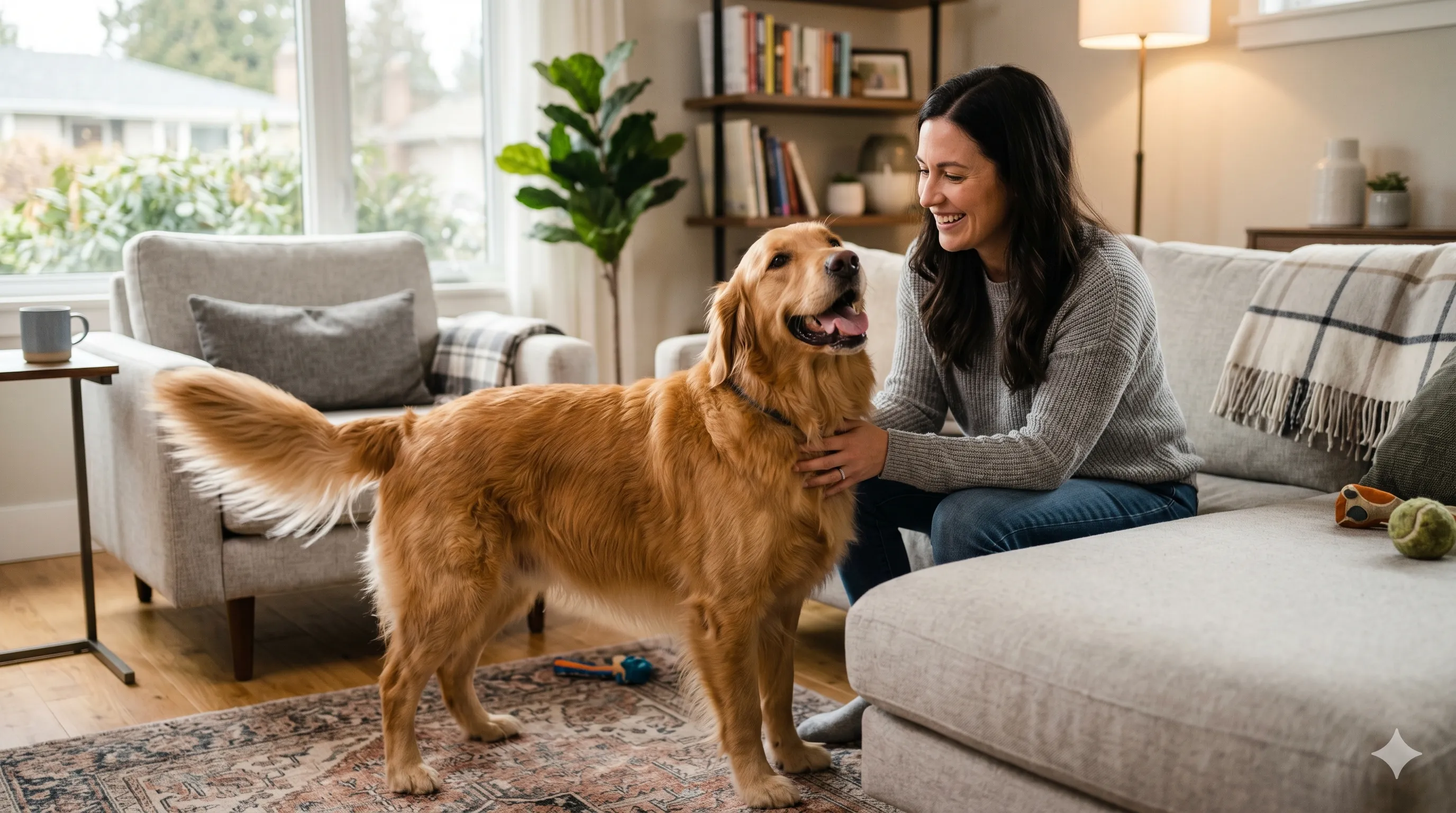
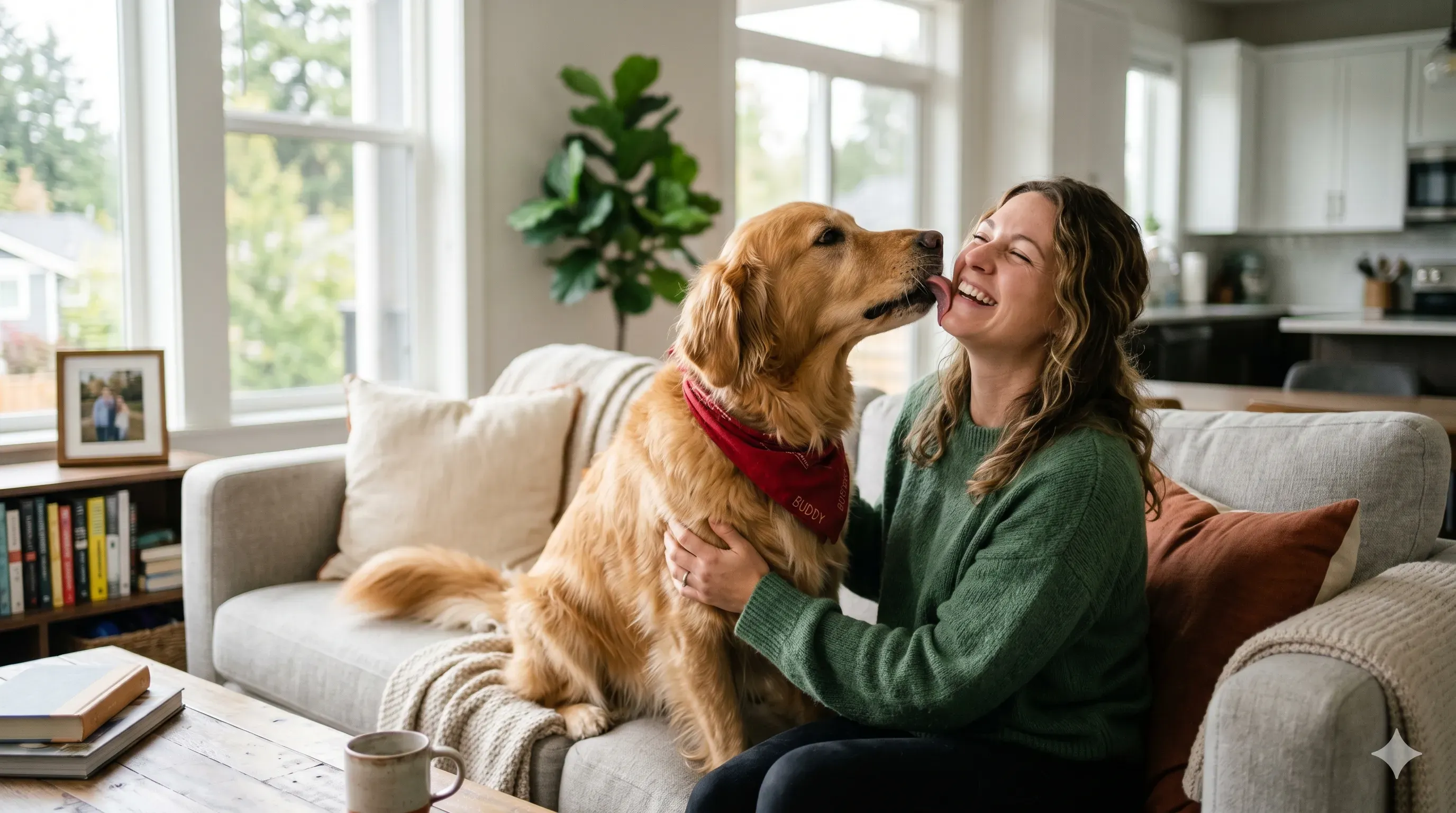
Your dog jumps up excitedly the moment you walk through the door and immediately starts licking your face. For many dog owners, this behavior feels affectionate, funny, or even slightly overwhelming.
Although face licking is extremely common in dogs, many people still wonder what it actually means and whether it is normal or something that should be controlled. dogs that follow their owners closely often show strong bonding behaviors
If you're asking "why does my dog lick my face?", the answer usually involves affection, communication, instinct, excitement, attention-seeking, or learned behavior.
Dogs use licking as a natural social behavior, and in many cases, face licking is simply one way they communicate emotional attachment and interaction with humans.
However, excessive or obsessive licking can sometimes point toward anxiety, stress, boredom, or behavioral dependency depending on the intensity and situation.
Understanding the reason behind the behavior helps you enjoy healthy bonding while also recognizing when boundaries or behavioral adjustments may be needed.
Why Does My Dog Lick My Face? (Quick Answer)
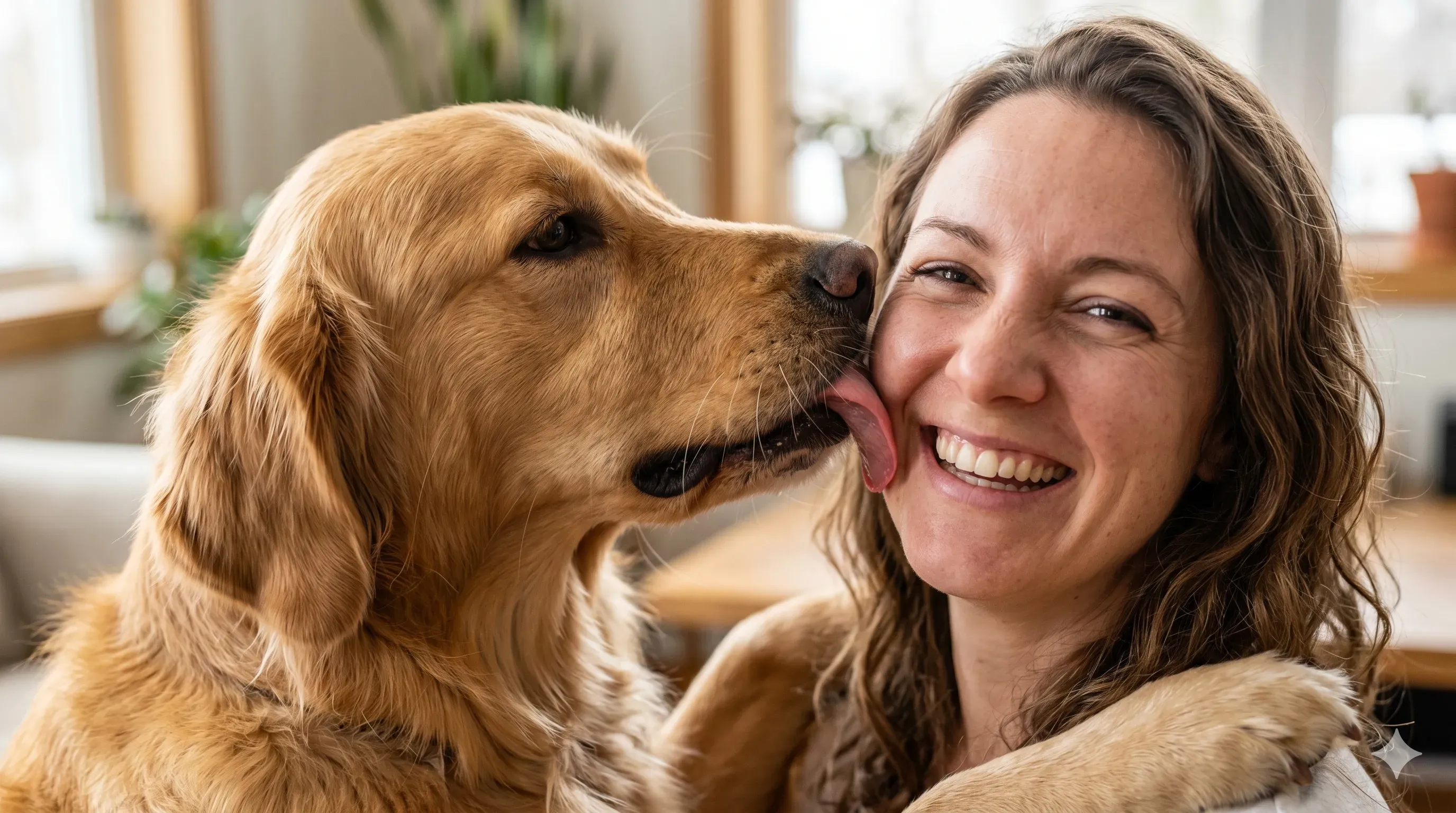
Dogs lick faces to show affection, communicate emotionally, seek attention, explore scents, express excitement, or follow natural social instincts. In most situations, face licking is harmless and reflects bonding behavior. However, excessive licking may sometimes be linked to stress, anxiety, or learned habits.
The meaning often depends on your dog's body language, emotional state, and how frequently the behavior occurs.
Why Licking Is Natural for Dogs
Licking is deeply connected to canine social behavior and communication.
From puppyhood, dogs use licking to interact with their mother and littermates. Puppies are naturally groomed, cleaned, and comforted through licking behavior early in life.
As dogs grow older, licking continues to play a role in:
- Social bonding
- Affection
- Attention-seeking
- Exploration
- Emotional communication
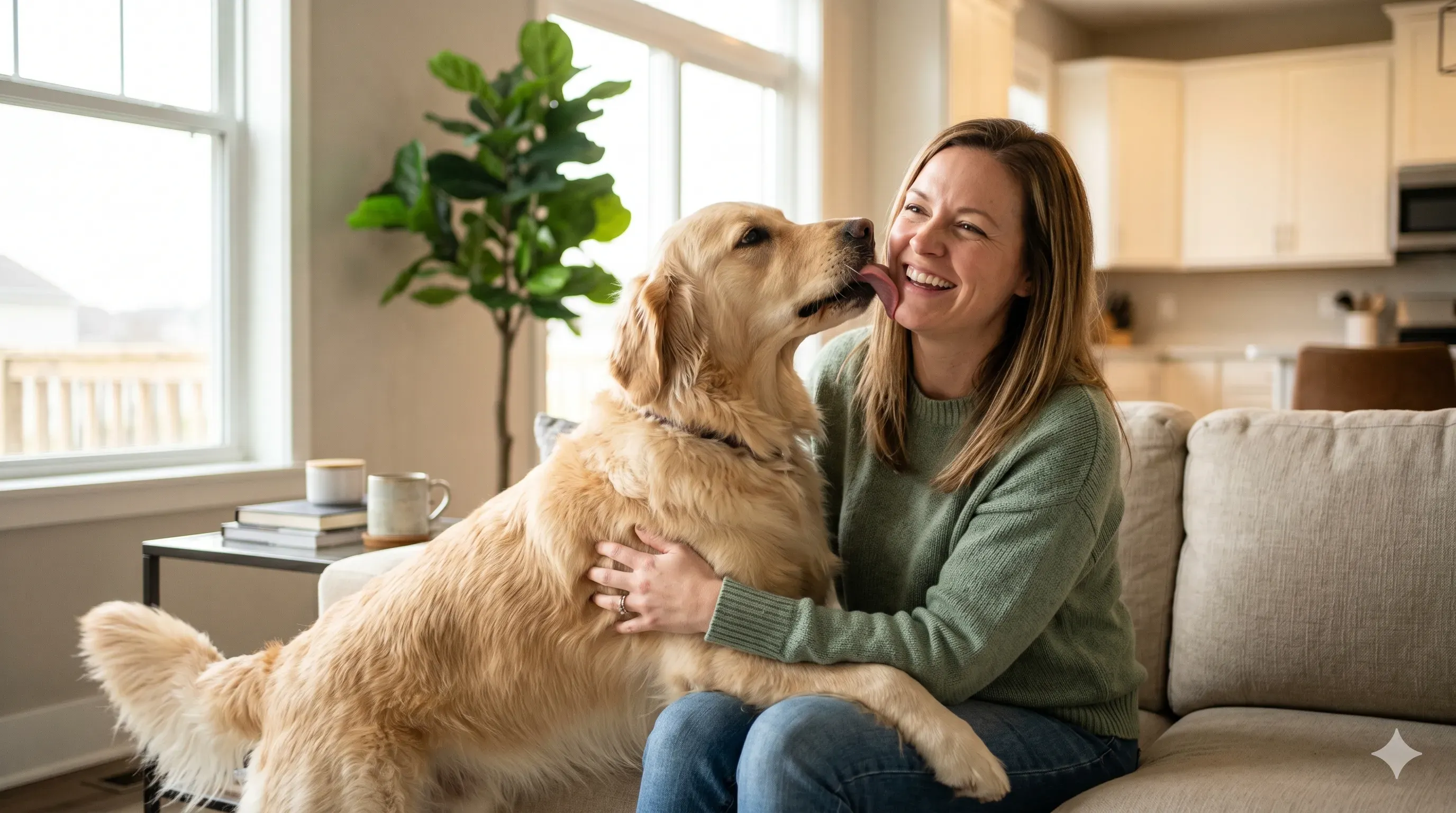
Because humans become part of a dog's social group, many dogs naturally transfer these behaviors toward their owners.
Dog Licking Face Meaning (Quick Guide)
| Behavior | Possible Meaning | What You Should Know |
|---|---|---|
| Quick gentle licking | Affection and bonding | Usually completely normal |
| Licking when you return home | Excitement and greeting behavior | Positive emotional response |
| Repeated intense licking | Attention-seeking or habit | May need boundaries |
| Obsessive licking | Stress or anxiety | Observe carefully |
| Licking during cuddling | Comfort and closeness | Common bonding behavior |
6 Real Reasons Why Dogs Lick Your Face
1. Your Dog Is Showing Affection and Emotional Bonding
One of the most common reasons dogs lick faces is simple affection.
Many dogs naturally use licking as a social bonding behavior with the people they trust most.
Dogs that follow their owners closely often show strong bonding behaviors throughout the day. anxiety-related behavior can also increase licking as a self-soothing response
Face licking commonly appears alongside:
- Tail wagging
- Excited greetings
- Leaning against you
- Following behavior
- Relaxed body language
For many dogs, licking is simply part of expressing closeness and emotional connection.
2. Face Licking Comes From Natural Pack and Social Instincts
Social licking behavior begins very early in canine life.
In wild canine groups, younger dogs often lick adult dogs around the mouth and face as part of social interaction and communication.
Although domestic dogs live differently today, many of those instincts still remain.
Face licking can therefore act as a natural extension of your dog's social and pack-oriented behavior.
3. Your Dog Wants Attention
Dogs quickly learn which behaviors generate reactions from humans.
If face licking consistently leads to laughter, petting, talking, or interaction, your dog may repeat the behavior because it successfully gets attention.
Even pushing your dog away or verbally reacting can sometimes unintentionally reinforce the habit.
This is why some dogs lick more intensely when owners stop paying attention to them.
4. Your Skin Carries Interesting Scents and Tastes
Dogs experience the world heavily through scent and taste.
Your skin naturally carries:
- Salt from sweat
- Food smells
- Skin oils
- Environmental scents
To dogs, human faces and skin often contain fascinating information about recent activity, food, emotions, and surroundings.
This curiosity-driven licking is especially common after exercise, meals, or outdoor activity.
5. Licking Helps Some Dogs Relieve Stress
Licking can have a calming and self-soothing effect for some dogs.
In stressful or emotionally overstimulating situations, dogs may lick themselves, objects, or people more frequently as a coping mechanism.
Anxiety-related behavior can also increase licking as a self-soothing response. separation anxiety is another common reason behind obsessive licking behaviors
This is particularly common in dogs dealing with:
- Stress
- Boredom
- Separation anxiety
- Environmental changes
- Overstimulation
6. Repeated Reinforcement Turns It Into a Habit
Some dogs simply develop face licking as a routine learned behavior.
If licking has been rewarded consistently for months or years, the habit can become automatic.
This is especially common in highly social or attention-driven dogs.
Separation anxiety is another common reason behind obsessive licking behaviors. excessive licking behaviors can sometimes become more noticeable in dogs with repetitive habits or emotional stress patterns
Is Dog Face Licking Safe?
Generally Safe in Most Situations
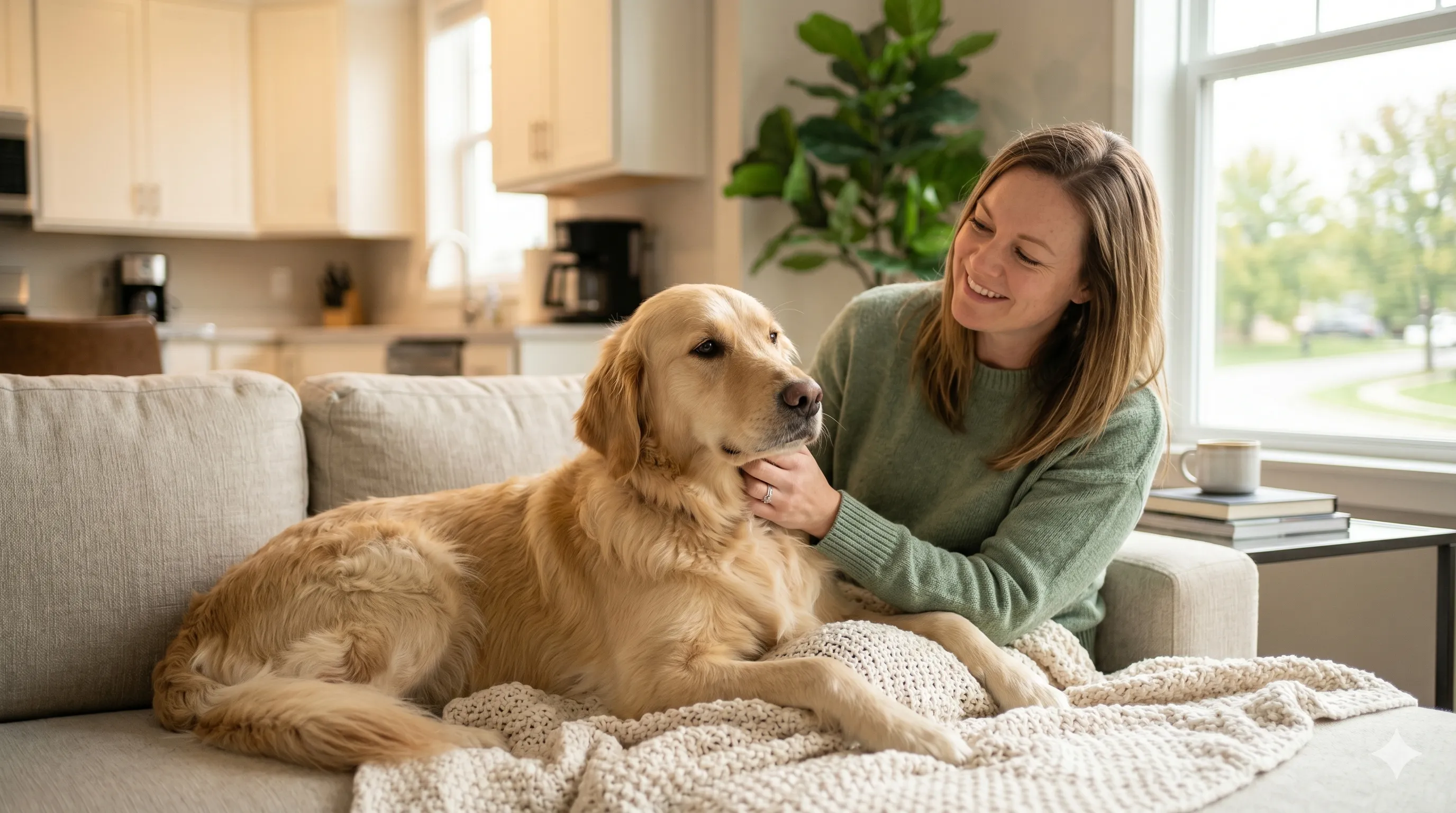
For healthy dogs and healthy adults, occasional face licking is usually harmless.
Most dog owners experience face licking regularly without any serious problems.
Situations Where Caution Is Smart
You may want to avoid face licking if:
- You have open wounds or cuts
- Your immune system is weakened
- Your dog has dental disease
- Your dog frequently eats waste or unknown substances
- The licking becomes excessive
Basic hygiene and regular veterinary care help reduce most concerns associated with normal licking behavior.
Normal vs Problematic Licking Behavior
Not all licking is concerning.
Many dogs occasionally lick faces without any behavioral or emotional problems.
- Healthy behavior: Occasional relaxed licking during greetings or bonding
- Potential concern: Constant, intense, anxious, or obsessive licking behavior
Excessive licking behaviors can sometimes become more noticeable in dogs with repetitive habits or emotional stress patterns. mental stimulation and indoor activities help reduce attention-seeking habits
Common Situations Explained
Why Does My Dog Lick My Face When I Come Home?
This usually reflects excitement, affection, and greeting behavior.
Your dog may become emotionally overstimulated after separation and use licking as part of reconnecting socially.
Why Does My Dog Lick My Face During Play?
During play sessions, licking often becomes attention-seeking behavior combined with excitement and social interaction.
Highly energetic dogs may switch rapidly between play, jumping, licking, and seeking engagement.
Why Does My Dog Lick My Face While I'm Lying Down?
Dogs often feel calmer and more connected during quiet moments.
Licking while cuddling or resting may simply reflect comfort, affection, and emotional closeness.
When Should You Be Concerned?
Face licking becomes concerning when it suddenly increases or appears connected to emotional distress.
Potential warning signs include:
- Obsessive licking
- Anxiety signs
- Pacing or whining
- Destructive behavior
- Difficulty relaxing
- Compulsive repetitive behaviors
Dogs that lack enough stimulation may also develop repetitive attention-seeking habits over time. understanding why dogs stare at their owners also helps explain canine communication behavior
How to Set Healthy Boundaries
1. Stay Consistent
If you want to reduce face licking, respond the same way every time.
Mixed reactions can confuse dogs and accidentally reinforce the behavior.
2. Redirect the Behavior Calmly
Use commands, toys, or alternative interaction instead of punishing your dog.
3. Avoid Rewarding Excessive Licking
If licking immediately leads to attention every time, your dog may continue repeating the behavior more intensely.
4. Increase Mental and Physical Stimulation
Mental stimulation and indoor activities help reduce attention-seeking habits and excess energy. excited greeting behavior is one of the most common ways dogs express emotional attachment
Daily exercise, enrichment games, training sessions, and structured interaction help create healthier emotional balance.
Common Mistakes Owners Make
- Encouraging licking unintentionally
- Reacting inconsistently
- Punishing normal communication behavior
- Ignoring obsessive licking patterns
- Failing to provide enough stimulation
Example Scenario
The scenario below is an illustrative example of how this situation can play out, not a documented case study.
A young Labrador regularly licked its owner's face whenever excited greetings occurred after work. Initially, the behavior seemed harmless, but over time the licking became excessive because it consistently generated strong attention and excitement.
After introducing calmer greetings, redirecting the dog toward toys, and rewarding relaxed behavior instead, the excessive licking reduced significantly within several weeks.
Final Thoughts
Face licking is one of the many ways dogs communicate affection, excitement, curiosity, and emotional bonding with humans.
In most situations, occasional face licking is completely normal and reflects healthy social interaction between dogs and owners.
Understanding why dogs stare at their owners also helps explain canine communication behavior and emotional connection. tail wagging often appears alongside face licking during positive emotional interaction
As long as the behavior remains balanced and non-obsessive, face licking is usually a harmless sign of social bonding and affection.
This content is written to provide general educational guidance for dog owners and pet families and is not a substitute for professional veterinary advice.
Medical Disclaimer
This content is provided for informational and educational purposes only and should not be considered veterinary, medical, behavioral, or training advice. While we strive for accuracy, we make no guarantees regarding completeness or results. Always consult a licensed veterinarian or qualified pet care professional before making decisions about your pet’s health, diet, or behavior.
AI Illustration Notice
Some images in this article may have been generated or enhanced using artificial intelligence for illustrative purposes.
Frequently Asked Questions
Dogs usually lick faces because of affection, excitement, attention-seeking, social bonding, or natural instinctive behavior.
For most healthy dogs and adults, occasional face licking is generally harmless, although caution is recommended around open wounds or weakened immune systems.
Dogs often lick faces during greetings because they become excited and emotionally stimulated after separation.
Licking during cuddling is usually a sign of comfort, emotional closeness, relaxation, and bonding behavior.
Use consistent boundaries, calm redirection, and alternative interaction instead of rewarding excessive licking behavior.
Yes, stress and anxiety can increase repetitive licking because some dogs use licking as a self-soothing behavior.
Dogs may lick faces and ears because these areas carry strong scent information and often trigger social grooming instincts.
You should become concerned if licking becomes obsessive, anxiety-driven, compulsive, or suddenly increases alongside other behavioral changes.
Editorial Note
This article is part of PetNurture's educational library.
Topics draw on publicly available educational resources, recognised veterinary organisations, academic publications and established animal welfare references where appropriate.
The specific sources this article draws on are listed in its References section. If you spot an error, please let us know.
References
The information in this article has been reviewed and supported using the following sources.
American Kennel Club
Why Does My Dog Lick Me? Why Do Dogs Lick People?
Explains licking as an inherited puppy-to-mother behavior and a way dogs seek salt and attention; supports the 'Why Licking Is Natural for Dogs' section of this article.
Accessed Aug 6, 2026
PetMD
Why Do Dogs Lick Your Face? 7 Common Reasons
Covers common reasons for face licking including affection, attention-seeking, and taste; supports the '6 Real Reasons Why Dogs Lick Your Face' section of this article.
Accessed Aug 6, 2026
Pet Emergency Guidance
Every pet is unique. If your pet exhibits severe symptoms, sudden behavioral changes, or a medical emergency, do not rely on online guides — contact a licensed veterinarian or emergency clinic immediately.
About PetNurture
PetNurture is an educational library of pet care guides, interactive tools and practical resources for pet parents. We work continuously to keep our content accurate and up to date. Reader feedback helps us maintain content quality.
Related Articles
Popular Dog Guides
Dog
Dog Calorie Calculator
Find the right daily calorie target for your dog's weight and activity level.