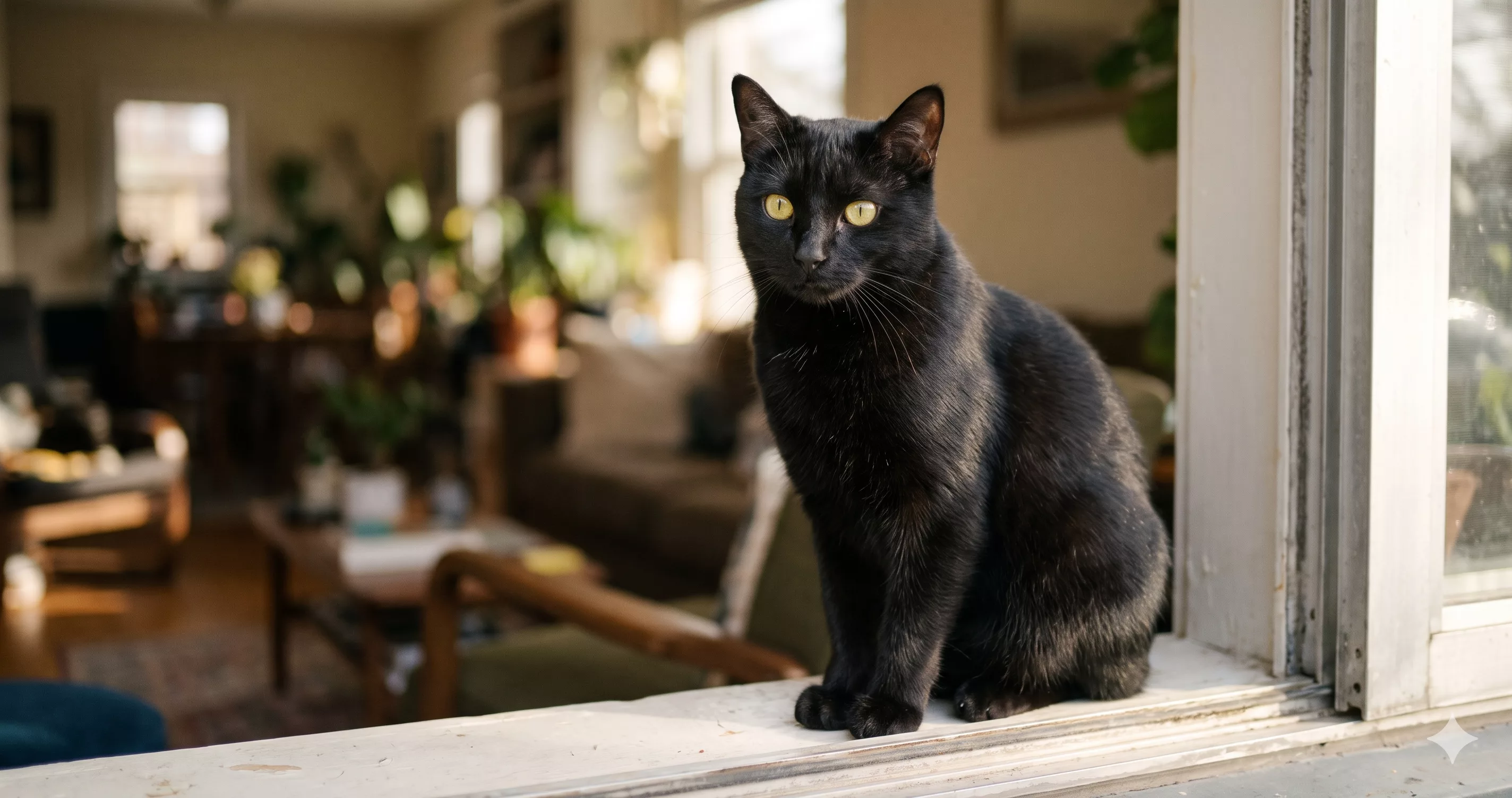
How Many Litter Boxes Do You Need? Multi-Cat Setup Guide
Note: This article is for informational purposes only and does not replace professional veterinary advice.
Quick Answer
The University of Illinois Veterinary Teaching Hospital and the ASPCA both advise one litter box per cat plus one extra, so two cats need three boxes. Spread them out in different quiet locations away from food and water, scoop at least once a day (the ASPCA says ideally twice), and contact a veterinarian if a cat toilets outside the box.
The general rule of thumb from the University of Illinois Veterinary Teaching Hospital is one litter box for each cat, plus one extra, and the ASPCA gives the same "one box per cat, plus one" guidance. But the number is only part of the picture: both sources also stress where the boxes go, how clean they are and what they contain. This guide covers the rule, placement, box size and style, cleaning, and when a litter box problem needs a vet.
The One-Box-Plus-One Rule
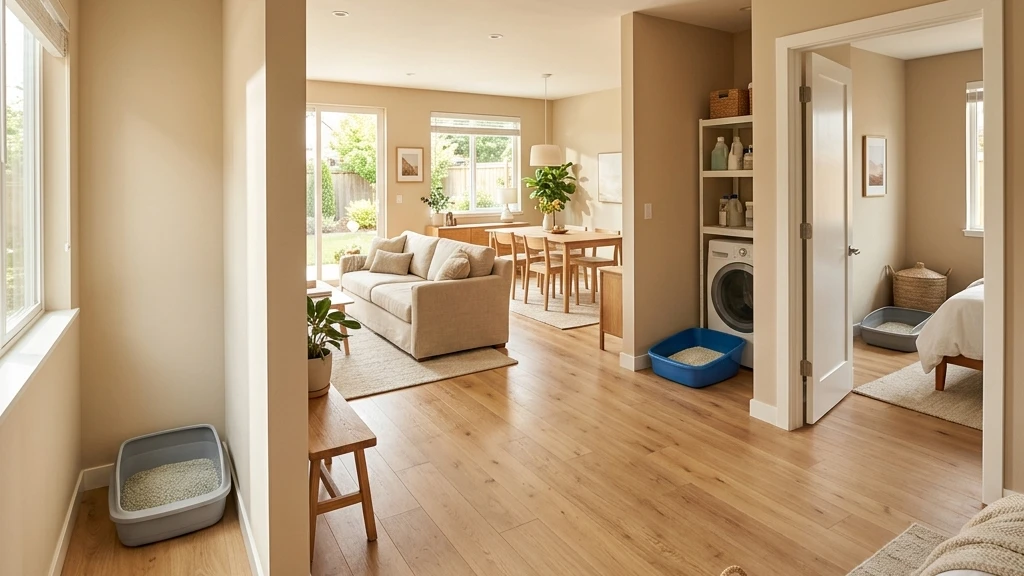
One box per cat plus one extra means a single cat has two boxes, two cats have three and three cats have four. The ASPCA notes that some cats urinate in one box and defecate in another, and may choose another surface if a second box isn't available. In a multi-cat home it says it is critical that boxes are spread out around the home, particularly if there is any tension between the cats, and that a larger box can help set cats up for success.
Placement Matters
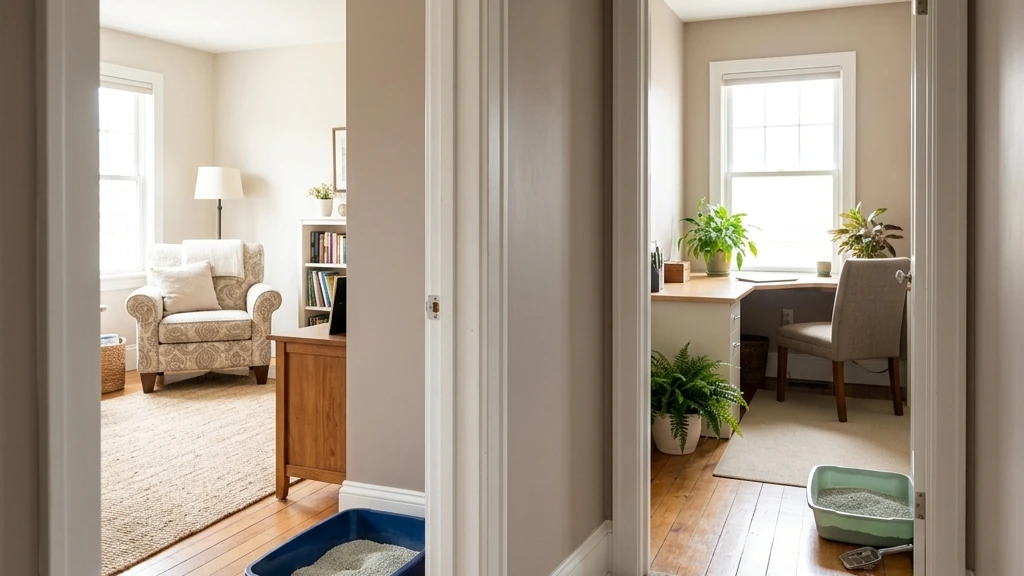
The Illinois handout gives these placement points:
- Keep litter boxes apart in different locations, because your cat considers boxes close to each other one large litter box.
- Avoid placing food and water close to the litter box; cats usually prefer quiet, private places.
- In a multi-level home, place a litter box on each level, and for an older cat put one on the level where the cat spends most of its time.
- Ideally boxes should be approachable from multiple angles, so the cat doesn't feel cornered or trapped while eliminating.
Box Size and Style
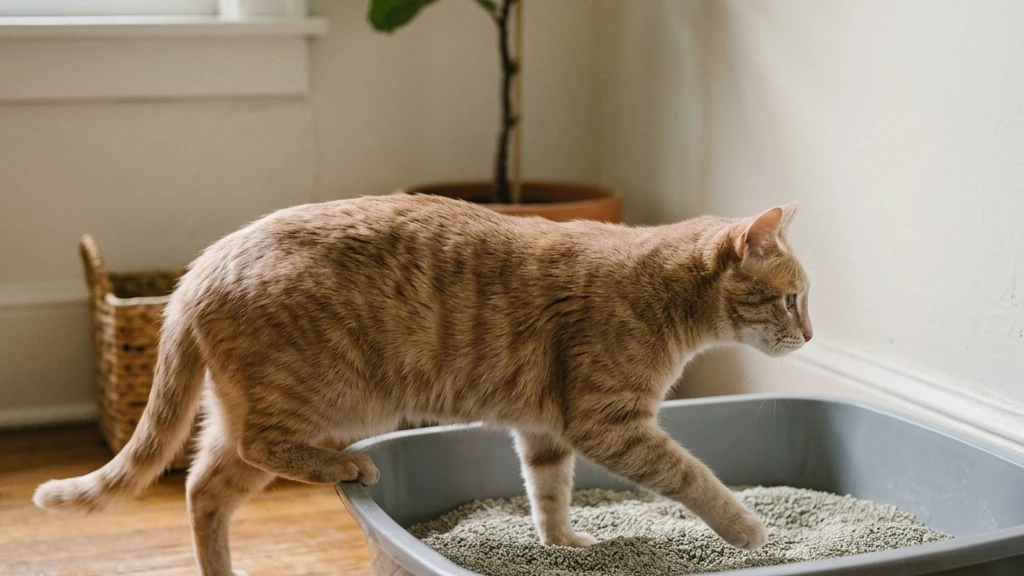
The Illinois handout says that, in general, bigger is better and many commercial litter boxes are too small. It says a box should be 1.5 times the length of your cat from the nose to the base of the tail, and that older cats need a low entry. It also says boxes with lids, or boxes in small enclosed spaces such as closets, can contribute to litter box related anxiety, and that if a cat is toileting away from its box, an additional box at the new site (temporarily or permanently) may get the cat using a box again.
Litter and Cleaning
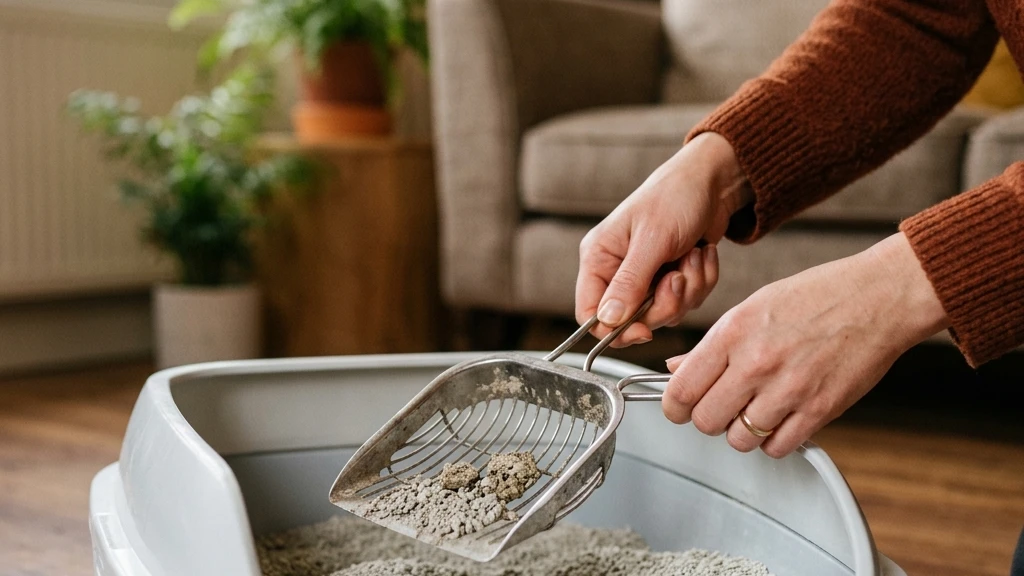
The ASPCA says poor hygiene contributes to the bulk of litter box problems and that boxes should be cleaned at least once every day, ideally twice. The Illinois handout says to remove waste at a minimum of once per day, and to empty and wash the box with anti-bacterial soap and hot water every 1 to 4 weeks, avoiding strong chemicals and ammonia-based products. It says many cats dislike aromatic or dusty litters, litter deodorizers and box liners, and that most prefer soft unscented clumping litters. The ASPCA says to stick with a litter your cat likes, because cats are very sensitive to its feel and scent and a sudden switch can lead to accidents.
Signs the Setup Needs a Second Look
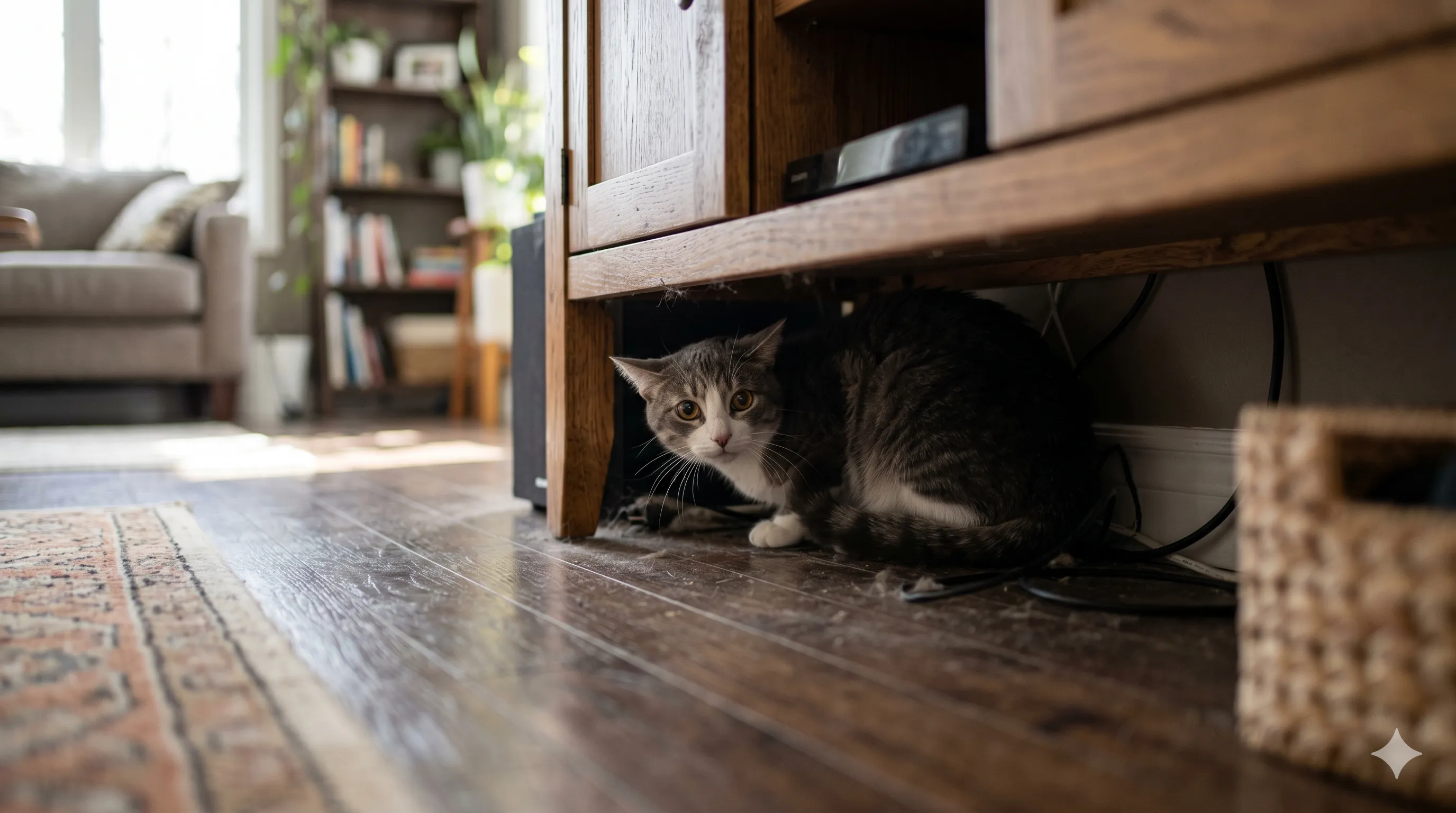
The Illinois handout says a cat that urinates or defecates outside the litter box is inappropriately eliminating, and that the number, size and location of boxes can often help manage this, along with strict cleaning and evaluating the litter itself. The ASPCA says not to punish a cat after an accident: no yelling, scolding or placing the cat in the box, because this can teach the cat to associate toileting with feeling scared. It also says not to wait weeks or months hoping the problem goes away, as it might get worse.
When to See a Vet
Medical problems can be behind elimination outside the box. The Illinois handout says a veterinarian can diagnose or rule out medical conditions, and lists infections, cystitis, arthritis, kidney problems and diabetes among the things a physical examination and tests check for. It also describes idiopathic cystitis as non-infection related inflammation of the bladder caused by chronic stress and anxiety. Contact a licensed veterinarian if your cat is toileting outside the box, straining or showing any change in toileting habits.
Common Mistakes
- Assuming one box is enough for a multi-cat household; the ASPCA and Illinois both say one per cat plus one.
- Lining boxes up side by side, which Illinois says a cat treats as one large box.
- Putting boxes next to food and water bowls.
- Scooping less than once a day; the ASPCA says at least daily, ideally twice.
- Switching litter suddenly, which the ASPCA says can cause accidents.
- Punishing a cat for an accident, which the ASPCA says can make toileting more secretive.
- Waiting weeks to get advice instead of acting early.
Final Thoughts
Start with one box per cat plus one extra, spread them across quiet locations, keep them clean and stick with a litter your cat accepts. If you are new to litter training, see our guide to litter box training basics. When a new cat joins the household, treat the box count as starting again; our guide on the N+1 rule and setup adjustments covers settling a new cat in. If a cat's toileting changes, contact a licensed veterinarian, and our article on changes in litter box habits alongside appetite explains why changes in litter box habits alongside appetite are worth noting.
Both the University of Illinois Veterinary Teaching Hospital and the ASPCA give the same starting point: one box per cat plus one, spread out, kept clean.
If a cat is toileting outside the box, contact a licensed veterinarian rather than assuming it is purely behavioural. This guide is general education and not a substitute for veterinary advice.
Medical Disclaimer
This content is provided for informational and educational purposes only and should not be considered veterinary, medical, behavioral, or training advice. While we strive for accuracy, we make no guarantees regarding completeness or results. Always consult a licensed veterinarian or qualified pet care professional before making decisions about your pet’s health, diet, or behavior.
AI Illustration Notice
Some images in this article may have been generated or enhanced using artificial intelligence for illustrative purposes.
Frequently Asked Questions
Three. The University of Illinois Veterinary Teaching Hospital and the ASPCA both advise one box per cat plus one extra.
It means one litter box for each cat in the household plus one extra, so one cat has two boxes and three cats have four.
Illinois says to keep boxes apart in different locations, because your cat considers boxes close to each other one large litter box. The ASPCA says boxes should be spread out around the home in a multi-cat household.
The Illinois handout says to place a litter box on each level of a multi-level home, and for an older cat on the level where it spends most of its time.
The Illinois handout says to remove waste at a minimum of once per day. The ASPCA says to clean boxes at least once every day, ideally twice.
Illinois says bigger is better and many commercial boxes are too small, and that a box should be 1.5 times the length of your cat from the nose to the base of the tail.
Illinois says boxes with lids, or in small enclosed spaces such as closets, can contribute to litter box related anxiety.
Not suddenly. The ASPCA says to stick with a litter your cat likes because a sudden switch can lead to accidents. Illinois says most cats prefer soft unscented clumping litters and many dislike aromatic or dusty litters, deodorizers and box liners.
No. The ASPCA says not to yell, scold or put the cat in the box, because this can teach the cat to associate toileting with feeling scared and make toileting more secretive.
Illinois says a veterinarian can diagnose or rule out medical conditions behind elimination outside the box, such as infections, cystitis, arthritis, kidney problems and diabetes. The ASPCA says not to wait weeks or months hoping the problem goes away. Contact a licensed veterinarian.
What Should I Do Next?
A general decision guide — always use your own judgement and contact a veterinarian for anything beyond routine care.
- Count your cats and add one One litter box per cat plus one extra, per the University of Illinois and the ASPCA.
- Spread boxes across different quiet locations Keep them apart, away from food and water, and on each level of a multi-level home.
- Check box size and style Illinois says a box should be 1.5 times the length of your cat; lids and enclosed spaces can add to anxiety.
- Keep boxes clean and stick with one litter Clean at least daily (the ASPCA says ideally twice) and avoid sudden litter changes.
- Contact a veterinarian if toileting outside the box continues Medical problems can be behind it, and the ASPCA says not to wait weeks.
Common Mistakes
- Assuming one litter box is enough for a multi-cat household
- Lining boxes up side by side
- Putting boxes next to food and water bowls
- Scooping less than once a day
- Switching litter suddenly
- Punishing a cat for an accident
- Waiting weeks to get advice
Prevention Tips
- Provide one litter box per cat plus one extra
- Spread boxes across quiet, separate locations and each level of the home
- Keep food and water away from the boxes
- Choose a box 1.5 times the length of your cat from the nose to the base of the tail
- Clean at least once a day and wash the box every 1 to 4 weeks
- Stick with a litter your cat likes
Illustrative Example
Consider a two-cat household with a single covered box in a closet. Following the University of Illinois and ASPCA guidance, the owners would add a third box, put the boxes in different quiet locations away from food and water, consider an uncovered box, scoop daily and keep the same litter. If a cat still toileted outside the boxes, they would contact a veterinarian to rule out medical causes, as the Illinois handout advises, rather than punishing the cat.
Practical Checklist
- Count cats and provide one box per cat plus one
- Spread boxes across separate quiet locations and each level
- Keep boxes away from food and water
- Scoop at least daily; wash the box every 1 to 4 weeks
- Keep the same litter unless there is a reason to change
- Contact a veterinarian if a cat toilets outside the box or toileting changes
Editorial Note
This article is part of PetNurture's educational library.
Topics draw on publicly available educational resources, recognised veterinary organisations, academic publications and established animal welfare references where appropriate.
The specific sources this article draws on are listed in its References section. If you spot an error, please let us know.
References
The information in this article has been reviewed and supported using the following sources.
University of Illinois Veterinary Teaching Hospital
Inappropriate Elimination in Cats (handout)
Accessed Oct 30, 2026
Other
Pet Emergency Guidance
Every pet is unique. If your pet exhibits severe symptoms, sudden behavioral changes, or a medical emergency, do not rely on online guides — contact a licensed veterinarian or emergency clinic immediately.
Was this article helpful?
About PetNurture
PetNurture is an educational library of pet care guides, interactive tools and practical resources for pet parents. We work continuously to keep our content accurate and up to date. Reader feedback helps us maintain content quality.
Related Articles


Popular Cat Guides
Cat
Cat Feeding Calculator
Calculate how much food your cat needs daily based on weight, age, and activity level.