What Can Guinea Pigs Eat? Safe Foods, Treats and Foods to Avoid
Note: This article is for informational purposes only and does not replace professional veterinary advice.
Quick Answer
Guinea pigs should eat mostly hay, a variety of fresh vegetables, a small amount of pellets and only occasional small amounts of fruit. Avoid iceberg lettuce, potato, onion, garlic and avocado. The sources differ on carrots and cucumbers and on exact vegetable amounts, so ask your veterinarian.
Guinea pig feeding advice online often disagrees, so this guide sets out only what four published sources say: the RSPCA, PDSA, PetMD (written by a veterinarian) and VCA Animal Hospitals, plus one ASPCA page on the tomato plant. It replaces our separate pages on apples, carrots, celery, cucumbers, lettuce, strawberries and tomatoes, which could not each be supported with more than a few sentences. Where the sources differ we say so. It cannot tell you what is right for your own guinea pig: ask a licensed veterinarian.
What Should a Guinea Pig's Diet Look Like?
| Part of the diet | What the sources say |
|---|---|
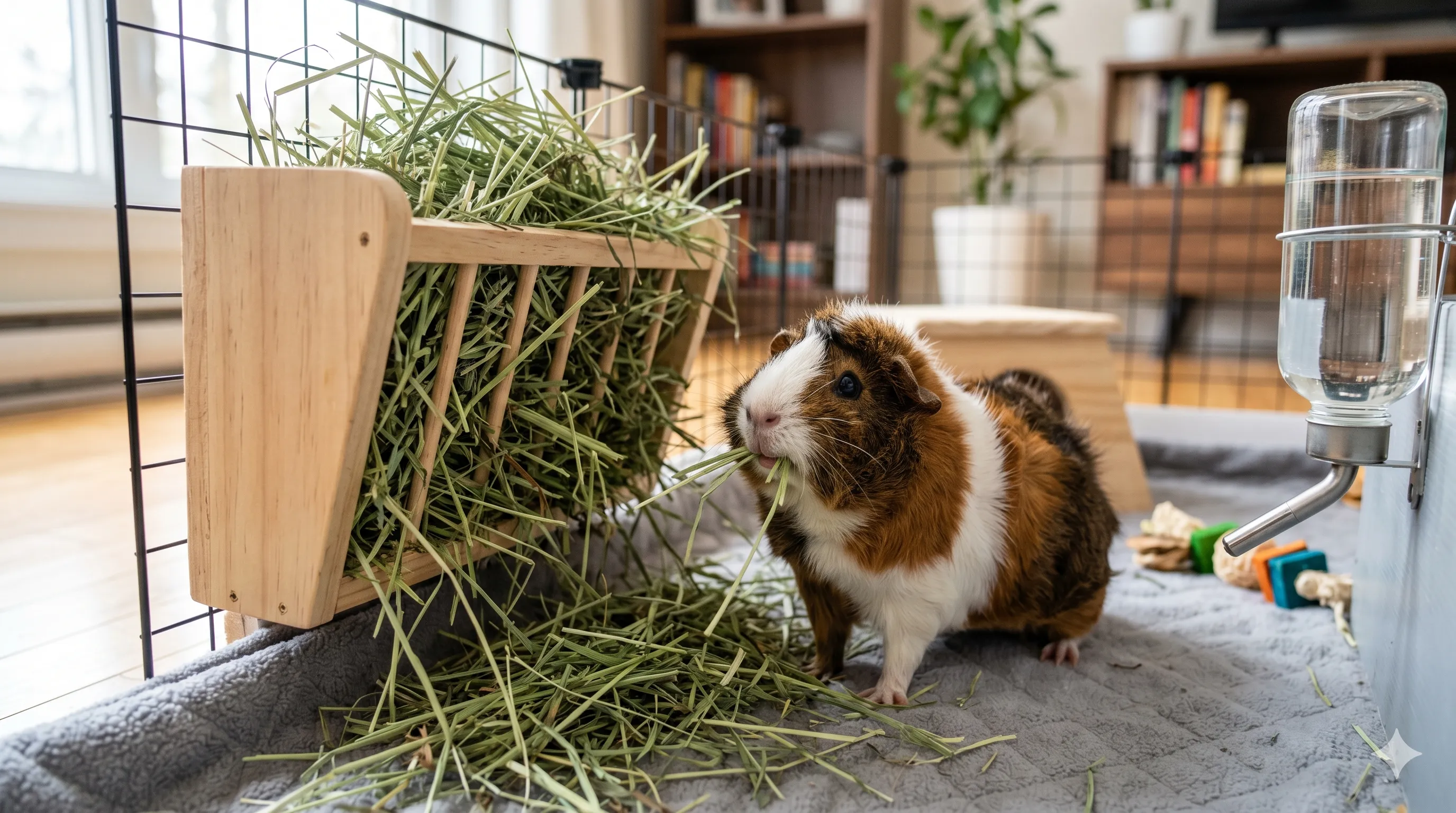
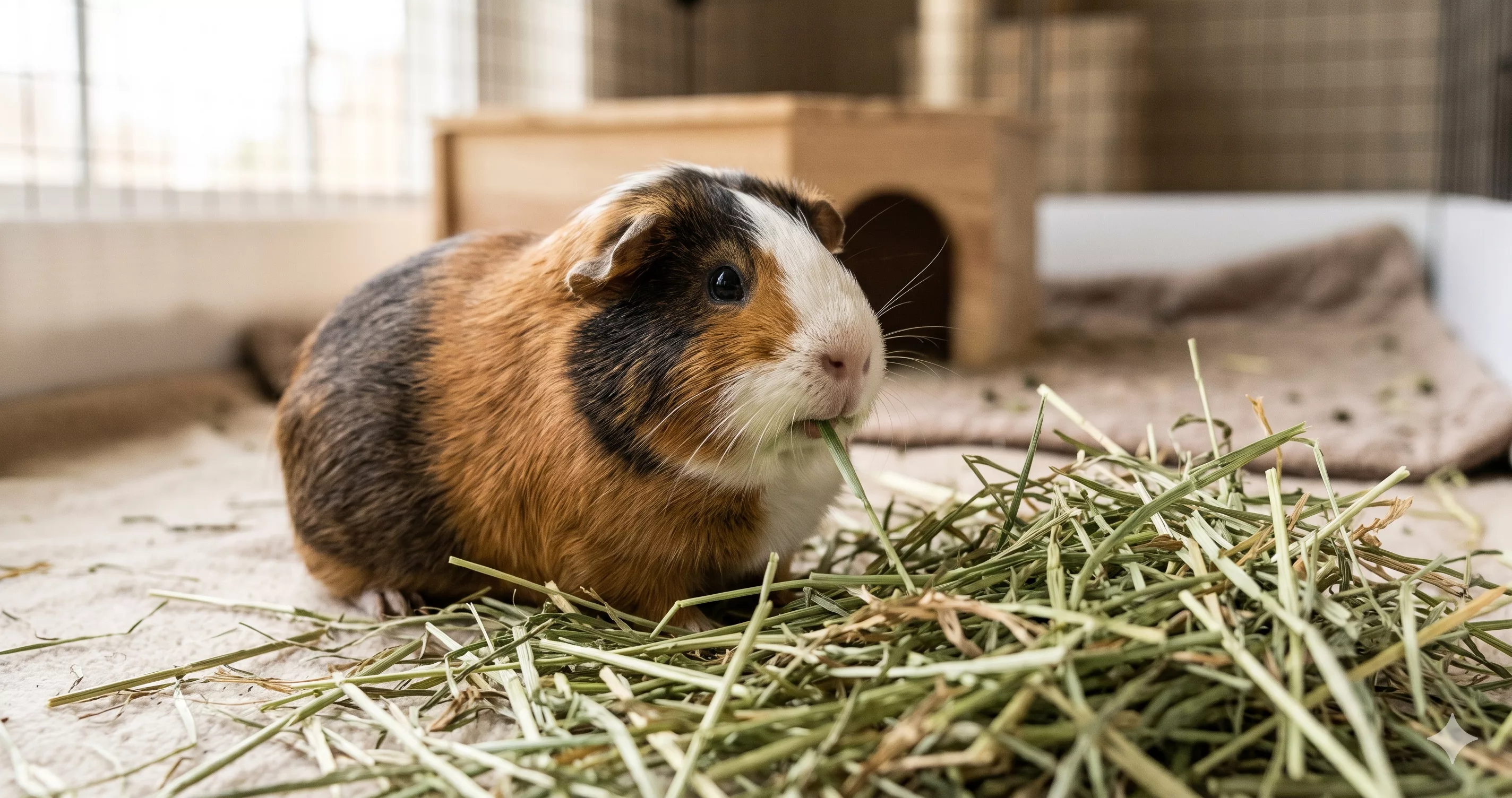
| Hay and grass | PDSA: hay should make up 85 to 90 per cent of the diet and, unlike pellets, you cannot overfeed it. RSPCA: good-quality hay available at all times and fresh grass offered as often as possible. VCA: unlimited timothy or other low-calcium hay throughout the day |
| Pellets | PDSA: one tablespoon of pellets per adult guinea pig each day. RSPCA: a fresh portion of grass-based pellets daily, following the manufacturer's instructions. VCA: a smaller amount of commercial, high-fibre, timothy-based pellets |
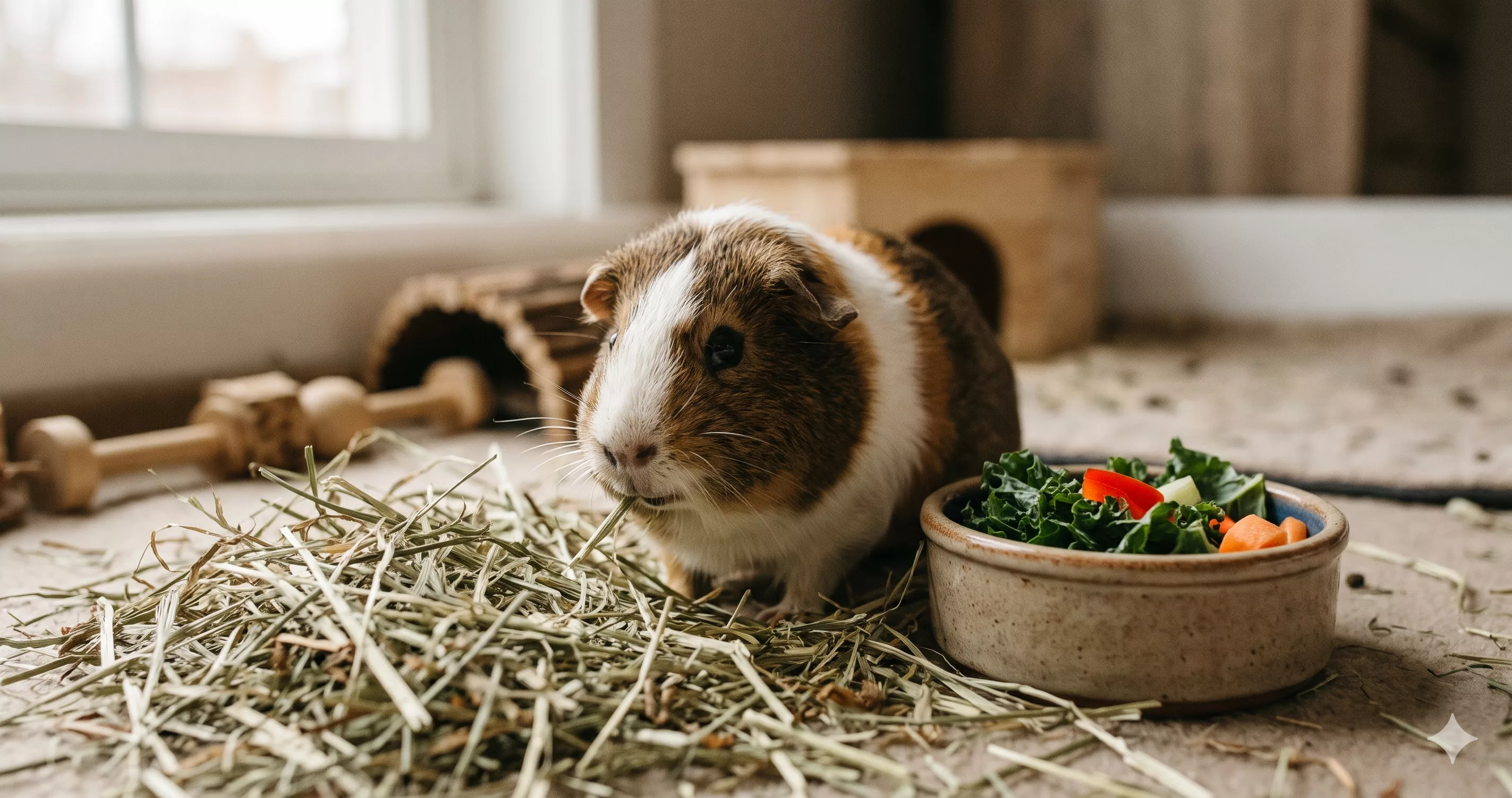
| Fresh vegetables | PDSA: about one cup of fresh vegetables, greens and foraged foods daily, in at least five to six types. PetMD: half to one cup of a mixture daily in two or three types |
| Fruit | PetMD: less than 5 per cent of the diet, once or twice a week and not daily. VCA: only occasionally and in small amounts, because it is high in sugar and too much may upset intestinal bacteria. PDSA: very small amounts because fruit is high in sugar |
| Water | VCA: fresh, clean water available 24 hours a day and changed at least daily |
The vegetable amounts differ between PDSA and PetMD, so we do not give one figure. Ask your veterinarian about your own guinea pig.
Vegetables the Sources Name
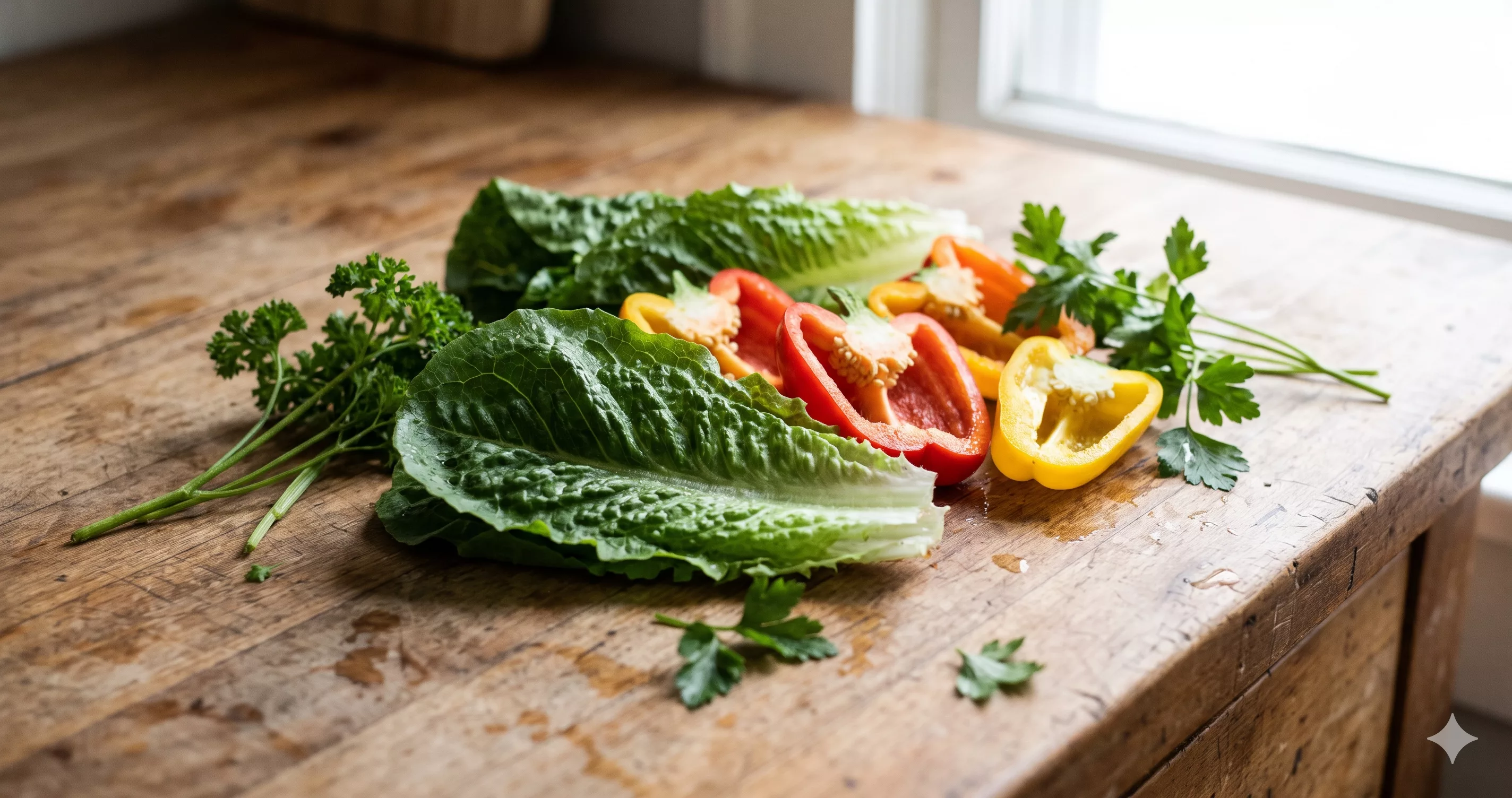
- RSPCA, eat often: parsley, celery, bell peppers, cucumber and gem or romaine lettuce, rotated for variety.
- RSPCA, treats a few times a week: broccoli, spinach, kale, small pieces of carrot and a quarter of an apple, because of their sugar or calcium content.
- PetMD: lists tomatoes, carrots, romaine lettuce and leaf lettuce, and says peppers and cucumbers are not directly harmful but may cause excessive gas and bloating if given in excess.
- VCA: lists green and red leaf lettuce, romaine, broccoli, cauliflower, endive, carrot tops, beet greens, cilantro, carrot and squash, and names bell pepper, tomato, turnip, collard greens and asparagus as foods high in vitamin C.
The sources differ on carrots (a few times a week at most per the RSPCA, a common vegetable per PetMD) and on cucumbers (often per the RSPCA, avoid in excess per PetMD). We do not pick between them.
Tomatoes
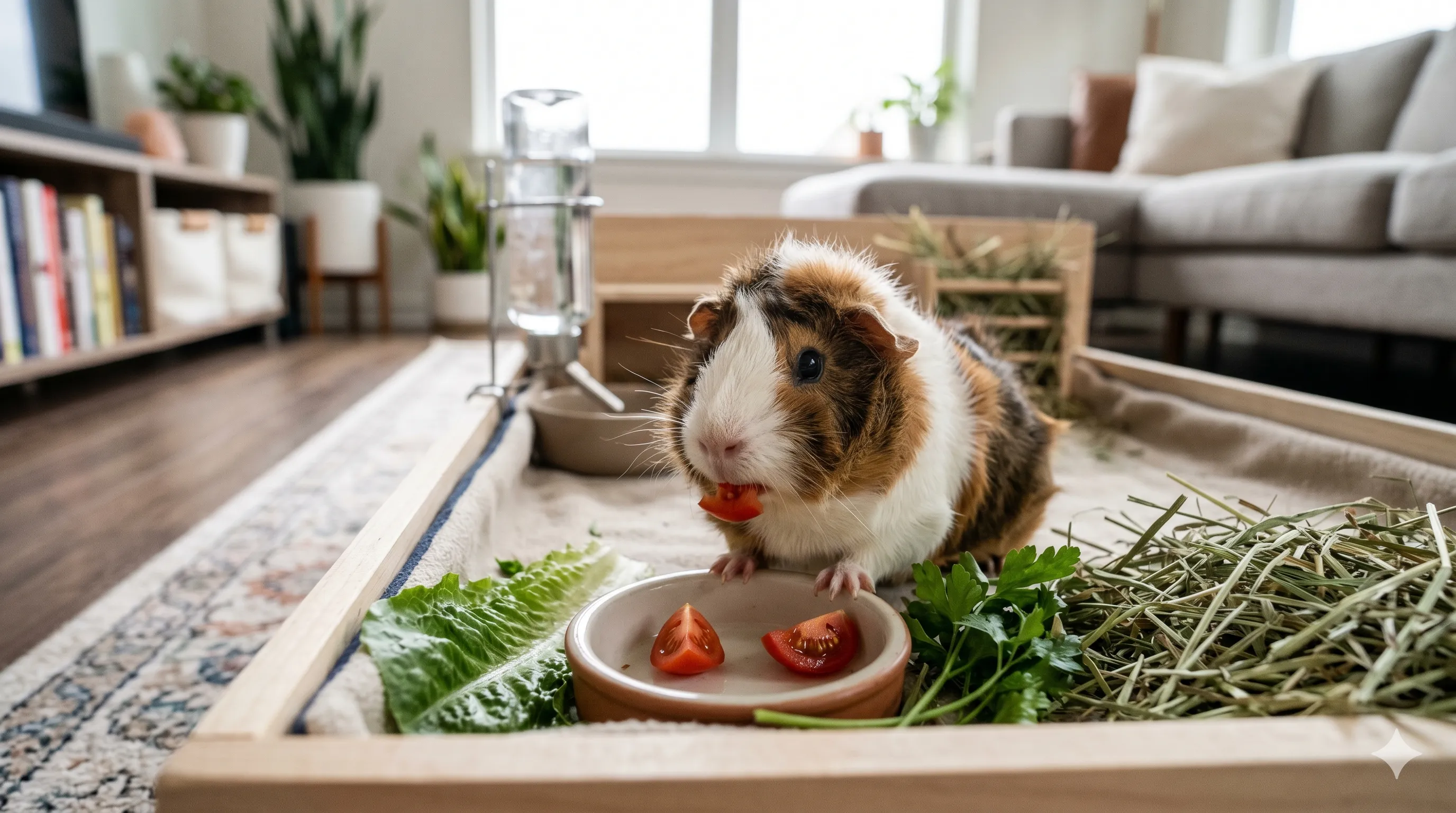
PDSA says the tomato fruit is safe to feed but the vine and leaves are not, and PetMD lists tomatoes among vegetables guinea pigs can eat. The ASPCA says the tomato plant is toxic to dogs, cats and horses (solanine) and that the ripe fruit is non-toxic; it does not name guinea pigs, so we use it only as background.
Fruit: Apples and Strawberries
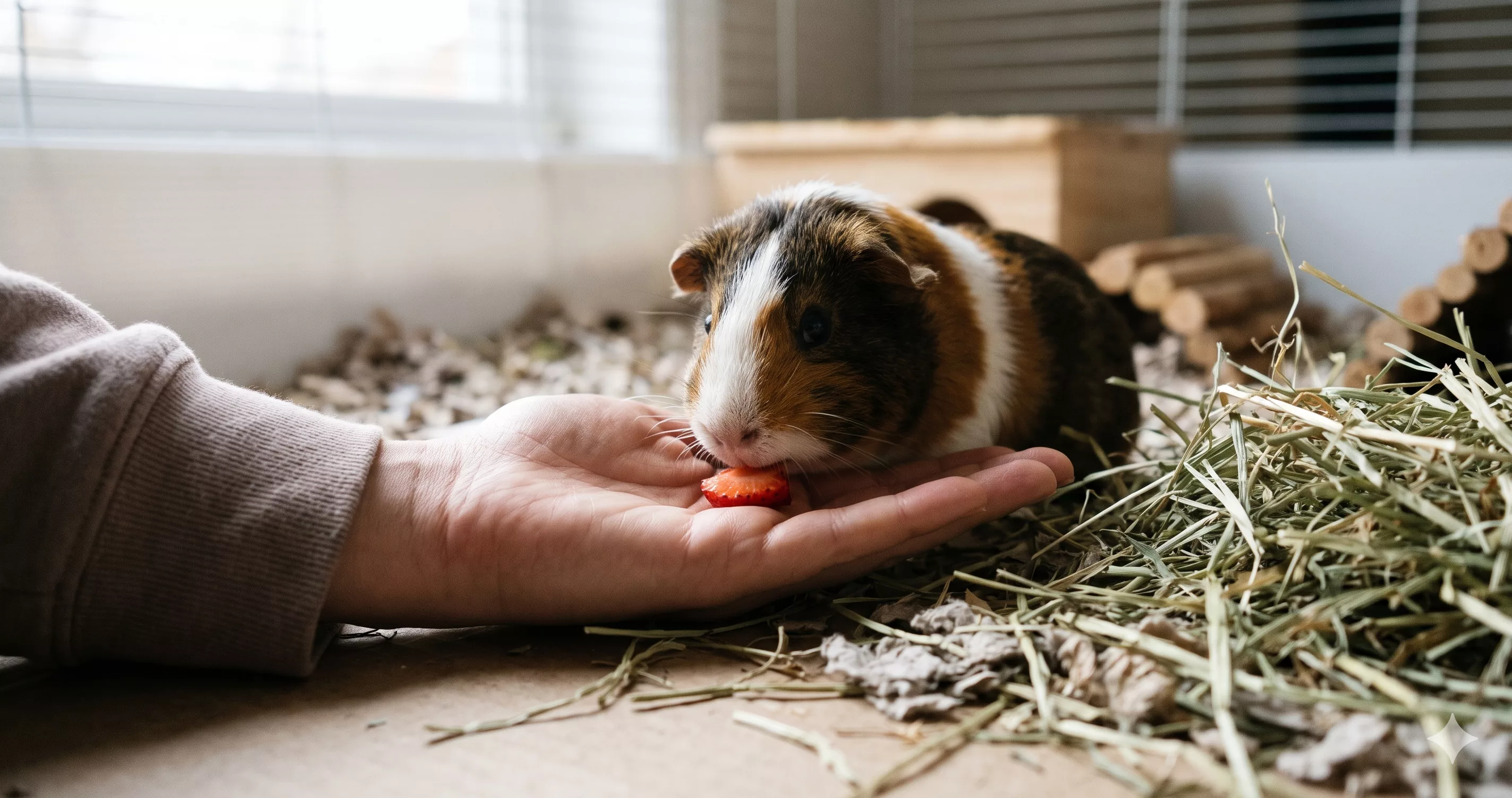
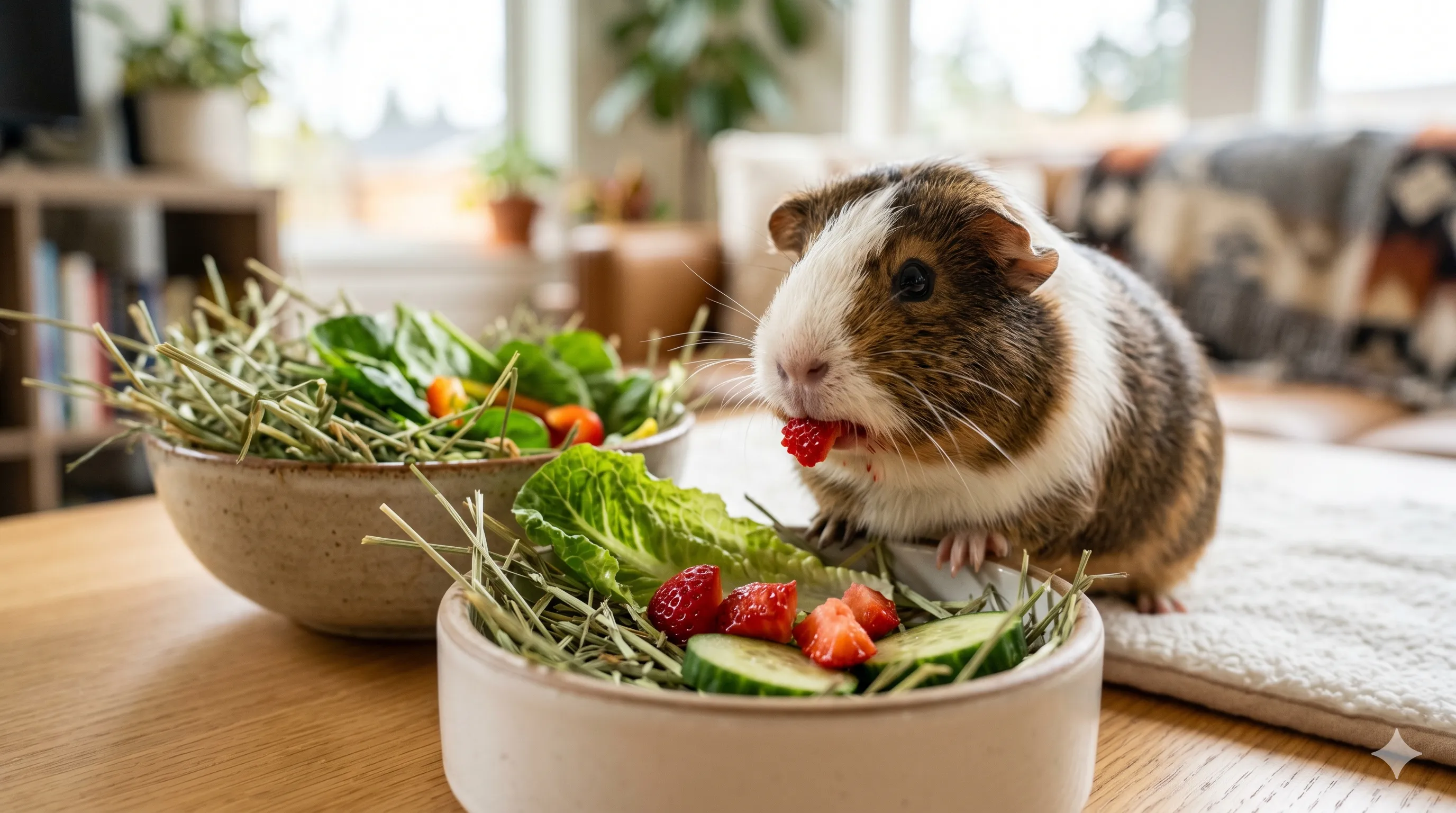
PDSA lists apple (but not the pips, which are poisonous) and strawberry among fruit that is safe in very small amounts. The RSPCA lists a quarter of an apple as a treat for a few times a week. VCA names pear and apple as high-fibre fruits and orange and kiwi as fruits high in vitamin C, to be offered only occasionally and in small amounts.
Vitamin C
VCA says guinea pigs cannot manufacture their own vitamin C so they must get adequate amounts from their diet, can develop scurvy without it, and that vitamin C in pellets is relatively unstable and breaks down quickly, so pellets should be used or replaced within 90 days of manufacture. The RSPCA also says pellets provide vitamin C, which breaks down over time and with air exposure, so a fresh portion should be given daily. Ask your veterinarian before changing your guinea pig's diet.
Foods to Avoid
The RSPCA lists iceberg lettuce, potato, garlic, avocado, coconut and citrus fruits. PDSA lists potatoes and their skin, onion, garlic, mushrooms, avocado, iceberg lettuce, chives, tomato vine and leaves, and rhubarb and its leaves. PetMD says to avoid nuts, seeds, dried fruits, meat products, high-starch foods such as peas, beans, corn, cakes, cereal, grains and bread, and spoiled or unwashed foods. VCA says not to offer iceberg or head lettuce, which have little nutritional value and are mostly water, or oats, seeds, nuts or dry cereals, which are too high in carbohydrates and fat.
Introducing New Foods
The RSPCA says to introduce new foods gradually and to consult a vet promptly if droppings become less frequent, softer or stick to the guinea pig. PDSA advises avoiding foraging in areas where weed killer or pesticides may have been applied. Our guide to guinea pig poop meaning chart explains what changes in droppings mean.
When to Contact a Veterinarian
Contact a licensed veterinarian if your guinea pig stops eating, has soft or fewer droppings, or seems unwell after a new food. See our guides to why a guinea pig is not eating and how much hay a guinea pig needs.
What We Could Not Find a Source For
The sources we reviewed do not give amounts for individual vegetables or fruits, so this guide does not give serving sizes or health benefit claims that no source supports. Most of the pages we read are undated.
Final Thoughts
The sources we read broadly point the same way: plenty of hay (PDSA, RSPCA and VCA), a variety of fresh vegetables, only small amounts of fruit (PDSA, PetMD and VCA) and no iceberg lettuce (RSPCA, PDSA and VCA). VCA and the RSPCA both say guinea pigs need vitamin C from their food. Introduce new foods slowly and contact a licensed veterinarian if your guinea pig's appetite or droppings change.
This article is for general education and is not a substitute for veterinary advice. If your guinea pig stops eating or seems unwell, contact a licensed veterinarian.
Medical Disclaimer
This content is provided for informational and educational purposes only and should not be considered veterinary, medical, behavioral, or training advice. While we strive for accuracy, we make no guarantees regarding completeness or results. Always consult a licensed veterinarian or qualified pet care professional before making decisions about your pet’s health, diet, or behavior.
AI Illustration Notice
Some images in this article may have been generated or enhanced using artificial intelligence for illustrative purposes.
Frequently Asked Questions
PDSA says hay should be 85 to 90 per cent of the diet with about one cup of fresh vegetables in five to six types and a tablespoon of pellets. PetMD says half to one cup of two or three vegetables.
The sources differ. The RSPCA says small pieces of carrot as a treat a few times a week and PetMD lists carrots among common vegetables. None says to feed carrots daily.
The RSPCA lists cucumber among foods to eat often. PetMD says cucumbers may cause excessive gas and bloating in excess.
PDSA says the tomato fruit is safe but the vine and leaves are not. PetMD lists tomatoes among vegetables guinea pigs can eat.
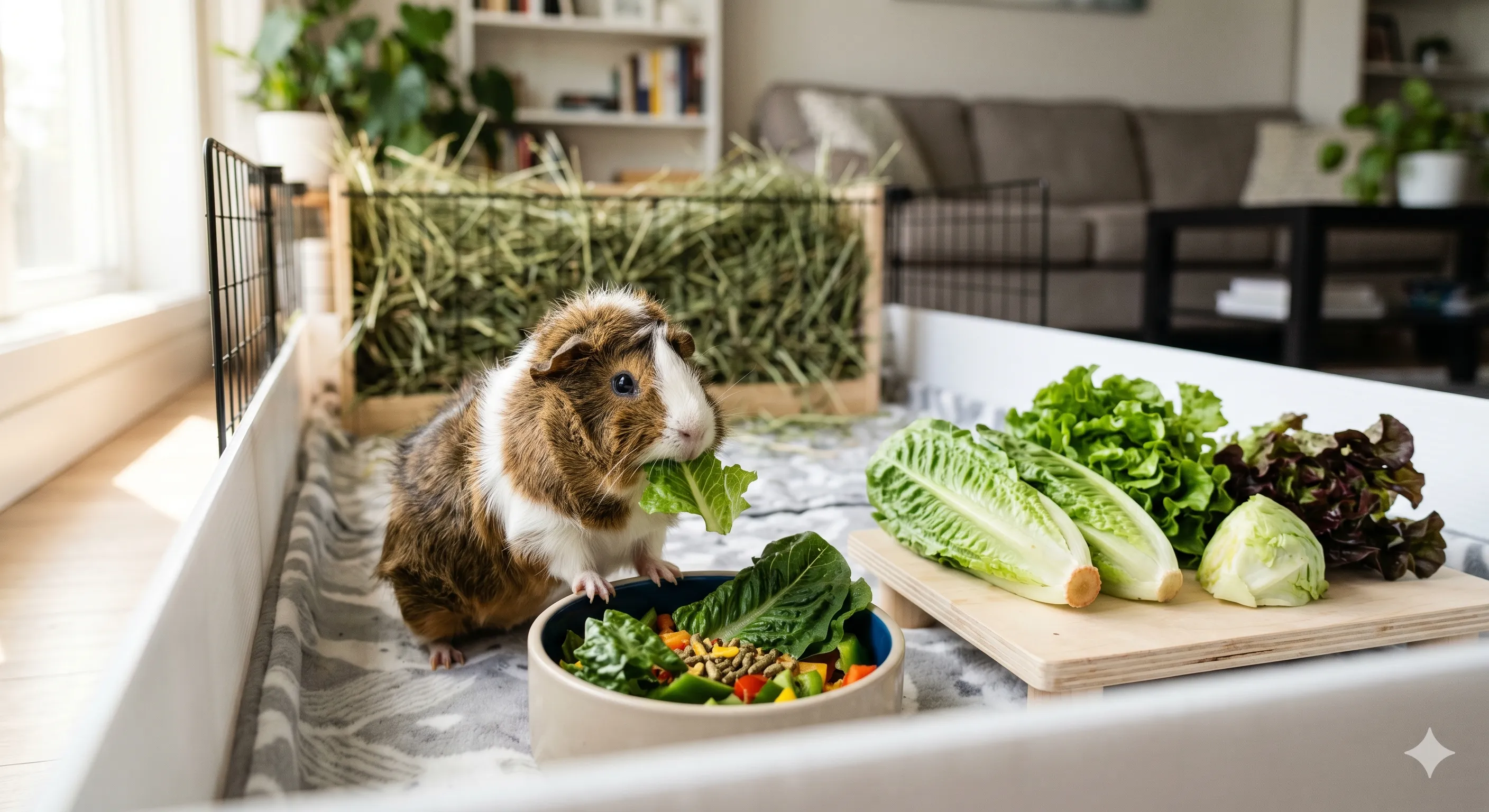
The RSPCA lists gem or romaine lettuce among foods to eat often and PetMD lists romaine and leaf lettuce. The RSPCA and PDSA say to avoid iceberg lettuce.
PDSA lists apple without the pips and strawberry as safe in very small amounts. PetMD says fruit once or twice a week and under 5 per cent of the diet.
VCA says guinea pigs cannot manufacture their own vitamin C and must get it from their diet. Ask your veterinarian about your own guinea pig.
The RSPCA and PDSA list iceberg lettuce and potato and garlic and avocado among others. PDSA also lists onion and mushrooms and chives and rhubarb. PetMD says to avoid nuts and seeds and dried fruit and meat.
What Should I Do Next?
A general decision guide — always use your own judgement and contact a veterinarian for anything beyond routine care.
- Check the sources Look up the food in the lists above and note where the sources differ.
- Introduce slowly Add one new food at a time in a small amount.
- Watch the droppings Soft or fewer droppings are a reason to contact a licensed veterinarian.
Common Mistakes
- Feeding fruit or carrots as everyday foods
- Adding several new foods at once
- Feeding foods that have been in contact with pesticides
- Assuming a food is safe because one website says so
Prevention Tips
- Keep hay available at all times
- Rotate a variety of vegetables
- Keep treats small and occasional
- Ask your veterinarian before changing the diet
Illustrative Example
Picture an owner who wants to add a new vegetable. They check the lists above, offer a small piece on its own, and watch the droppings for a day before offering it again.
Practical Checklist
- Hay available all day
- Fresh water available
- New foods added one at a time
- Treats kept small
- Veterinarian contact saved
Editorial Note
This article is part of PetNurture's educational library.
Topics draw on publicly available educational resources, recognised veterinary organisations, academic publications and established animal welfare references where appropriate.
The specific sources this article draws on are listed in its References section. If you spot an error, please let us know.
References
The information in this article has been reviewed and supported using the following sources.
RSPCA
Undated. Hay and grass; pellets and vitamin C; vegetables to eat often; treats a few times a week; foods to avoid; introduce foods gradually; consult a vet if droppings change.
Accessed Nov 4, 2026
PDSA
October 2024. Hay 85 to 90 per cent; one tablespoon of pellets; one cup of vegetables of five to six types; fruit in very small amounts; foods to avoid.
Accessed Nov 4, 2026
PetMD (Lauren Jones VMD)
Published 20 May 2022. Half to one cup of two or three vegetables; fruit under 5 per cent; cucumbers and peppers may cause gas; foods to avoid.
Accessed Nov 4, 2026
VCA Animal Hospitals (Rich, Hess, Axelson DVMs)
Updated 14 August 2026. Unlimited hay; pellets; vegetables; fruit occasionally; avoid iceberg, oats, seeds, nuts, cereals; vitamin C; fresh water.
Accessed Nov 4, 2026
ASPCA
Toxic and Non-toxic Plants: Tomato Plant
Tomato plant toxic to dogs, cats and horses; ripe fruit non-toxic; guinea pigs not named.
Accessed Nov 4, 2026
Pet Emergency Guidance
Every pet is unique. If your pet exhibits severe symptoms, sudden behavioral changes, or a medical emergency, do not rely on online guides — contact a licensed veterinarian or emergency clinic immediately.
Was this article helpful?
About PetNurture
PetNurture is an educational library of pet care guides, interactive tools and practical resources for pet parents. We work continuously to keep our content accurate and up to date. Reader feedback helps us maintain content quality.
Related Articles
Popular Guinea Pig Guides

Guinea Pig
Guinea Pig Feeding Calculator
Calculate daily food portions for your guinea pig by weight.
Guinea Pig
Guinea Pig Cage Size Calculator
Find the minimum recommended cage size for your guinea pigs.