Multi-Pet Household Statistics USA
Welcoming multiple companion animals into the family is a hallmark of American pet ownership. More than half of all pet-owning households in the United States care for two or more pets, creating dynamic, multi-species environments that foster social interaction and family joy.
This detailed report examines multi-pet household prevalence, common species pairings, generational trends, financial budgeting, and environmental setup best practices for multi-pet homes.
Accurate statistical insights play a pivotal role in promoting responsible pet ownership, strengthening community animal welfare infrastructure, and advancing veterinary care standards across the country.
Key Statistics
Share of Gen Z pet owners who have two or more pets — the highest share of any generation.
Highest multi-pet ownership rate of any generation, measured across all Gen X pet owners.
A figure AVMA reports has stayed essentially unchanged since 1987.
Down from 2.2 cats per household in 1987, per AVMA data.
About 18.8 million homes — up 43.5% year-over-year from 2023.
Fastest-growing species category among Gen X pet owners year-over-year.
Statistics Summary
| Statistic | Value |
|---|---|
|
Gen Z Owners With 2+ Pets
Share of Gen Z pet owners who have two or more pets — the highest share of any generation. |
70% |
|
Gen X Multi-Pet Ownership Rate
Highest multi-pet ownership rate of any generation, measured across all Gen X pet owners. |
54% |
|
Average Dogs per Dog-Owning Household
A figure AVMA reports has stayed essentially unchanged since 1987. |
1.6 |
|
Average Cats per Cat-Owning Household
Down from 2.2 cats per household in 1987, per AVMA data. |
1.8 |
|
Gen Z Share of Pet-Owning Households
About 18.8 million homes — up 43.5% year-over-year from 2023. |
20% |
|
Gen X Bird Ownership Growth (YoY)
Fastest-growing species category among Gen X pet owners year-over-year. |
+25% |
Prevalence & Generational Trends in Multi-Pet Homes
Multi-pet ownership is widespread across all demographics, with younger generations leading in multi-pet household percentages and older generations maintaining multi-pet homes across diverse animal species.
Multi-Pet Household Demographic Breakdown
- Gen Z & Millennial Leadership: Over 68% of Gen Z and Millennial pet parents share their living spaces with two or more companion animals, prioritizing social play and companionship for their pets.
- Common Species Combinations: Multi-dog homes and multi-cat homes make up the largest overall share of multi-pet households, closely followed by dual-species dog-and-cat households.
- Financial & Healthcare Planning: Managing multiple pets multiplies food consumption, grooming costs, and annual veterinary wellness care, driving higher demand for multi-pet discount plans and comprehensive pet insurance policies.
- Space Management & Conflict Prevention: Successful multi-pet households establish separate feeding areas, multiple litter boxes or exercise zones, vertical cat perches, and individual retreat spots to minimize competition and stress.
Behavioral & Social Advantages of Multi-Pet Homes
When properly socialized and introduced, multi-pet environments provide continuous mental stimulation, alleviate separation anxiety, and encourage healthy physical exercise through natural play interactions between companion animals.
Multi-Pet Adoption & Shelter Integration
Animal shelters and rescue organizations frequently encourage the adoption of bonded pairs (especially sibling kittens, bonded rabbits, or bonded adult dogs), recognizing that bonded animals adapt more quickly to new home environments.
Questions to Ask Before Adding Another Pet
The data shows that many households keep more than one pet, but each addition changes the household's costs, space, and routines. A few questions help before bringing another animal home.
- Can you afford a second set of everyday costs? Food, litter, preventive veterinary care, and emergencies all multiply with each animal.
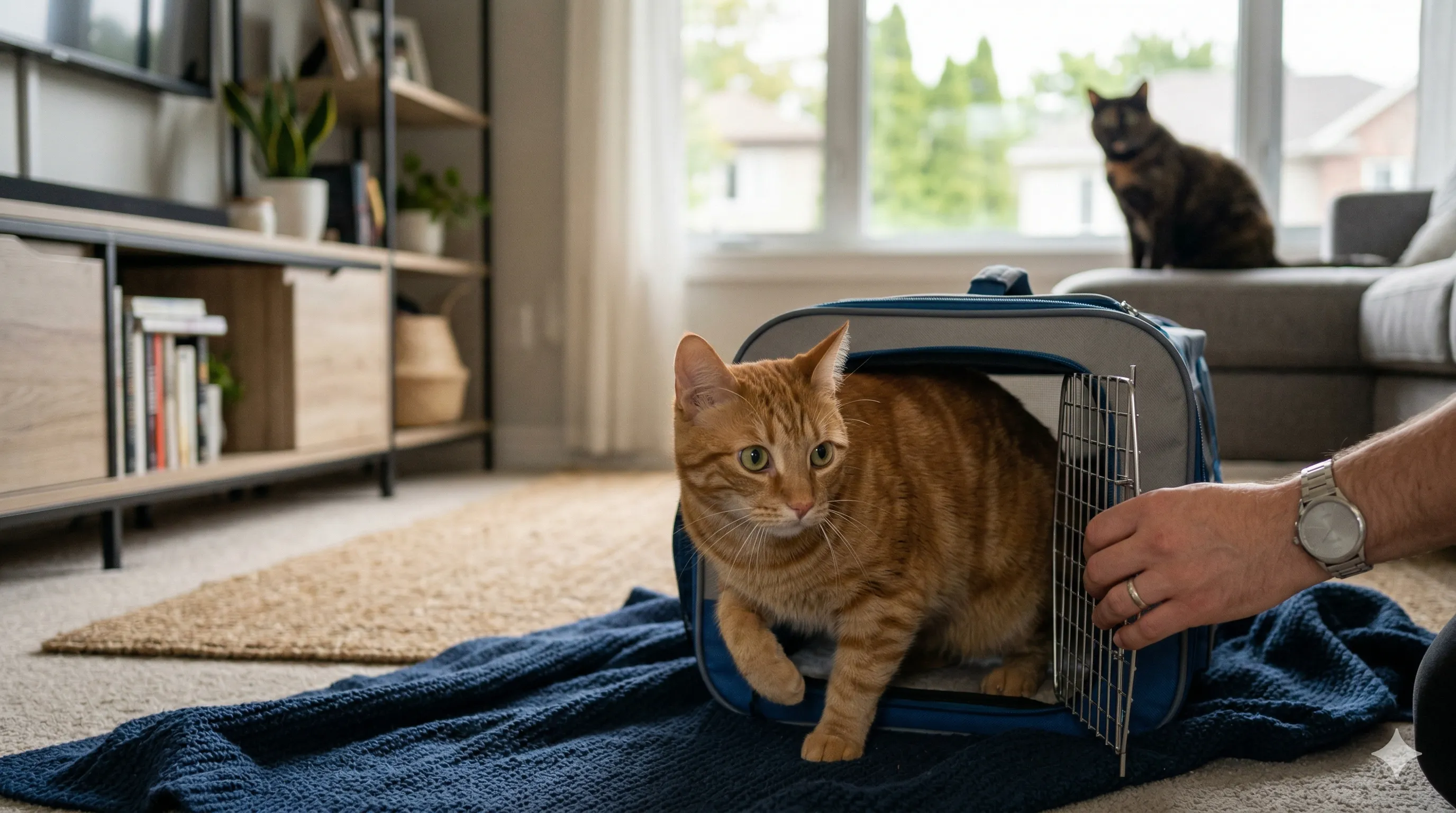
- Do you have the space? Each pet needs its own resting spot, and cats and dogs benefit from separate feeding areas and extra litter boxes or exercise zones.
- Will the species and temperaments mix? Dogs and cats can live together, but prey species such as rabbits and guinea pigs need to be kept physically safe from predatory pets.
- How will you handle introductions? Gradual, supervised introductions are usually better tolerated than putting animals together straight away.
- Have you checked health first? Many veterinarians suggest a checkup for a new pet, and keeping it separate from resident animals for a short period, before the animals share space.
About This Data
The figures on this page come from Pet Food Industry — Report: Pet ownership expands as Gen Z shifts trends and AVMA — Evolving pet owner economics: What data reveal for veterinary teams. Each source is listed with its publication in the references below, so you can check a figure against the original. Statistics describe the group and period each source measured, so they are best read as estimates rather than exact counts. See our Sources & References Policy for how data is chosen and cited, or use the Contact page to report a correction.
Detailed Statistics
| Statistic | Value | Description | Source |
|---|---|---|---|
| Gen Z pet owners with 2+ pets | 70% | Highest multi-pet share of any generation. | Pet Food Industry (reporting APPA National Pet Owners Survey data) |
| Gen X pet owners with 2+ pets | 54% | Highest multi-pet ownership rate of any single generation. | Pet Food Industry (reporting APPA National Pet Owners Survey data) |
| Gen Z share of all pet-owning households | 20% | Roughly 18.8 million pet-owning households. | Pet Food Industry (reporting APPA National Pet Owners Survey data) |
| Gen Z household growth (YoY) | 43.5% | Growth in Gen Z pet-owning households from 2023. | Pet Food Industry (reporting APPA National Pet Owners Survey data) |
| Gen X share of all pet-owning households | 25% | Second-largest generational share of pet-owning households. | Pet Food Industry (reporting APPA National Pet Owners Survey data) |
| Average dogs per dog-owning household | 1.6 | Consistent since 1987, per AVMA demographic tracking. | AVMA |
| Average cats per cat-owning household | 1.8 | Down from 2.2 in 1987, per AVMA demographic tracking. | AVMA |
| Gen X dog ownership growth (YoY) | 12% | Year-over-year growth in dog ownership among Gen X households. | Pet Food Industry (reporting APPA National Pet Owners Survey data) |
| Gen X bird ownership growth (YoY) | 25% | Fastest-growing species category among Gen X pet owners. | Pet Food Industry (reporting APPA National Pet Owners Survey data) |
Sources
- Pet Food Industry — "Report: Pet ownership expands as Gen Z shifts trends" (2025) — Trade-press summary of APPA's National Pet Owners Survey generational and multi-pet ownership data. The original APPA report itself was not directly accessible during research, so this trade-press summary is cited directly rather than attributed to APPA as a primary source.
- AVMA — "Evolving pet owner economics: What data reveal for veterinary teams" (2025) — Source for average dogs/cats per household figures and the 1987 historical comparison.
The Big Picture & Summary
Multi-pet households constitute a vibrant, deeply loving segment of American pet culture. Through proactive space planning, individual attention, and consistent veterinary health management, multi-pet families continue to thrive across the nation.
Frequently Asked Questions
Data Disclaimer
Information on this page is compiled from publicly available reports, surveys, and industry publications. PetNurture does not conduct original research and cannot guarantee the completeness, accuracy, or timeliness of third-party data. Users should verify statistics directly with the original source before making decisions based on this information.