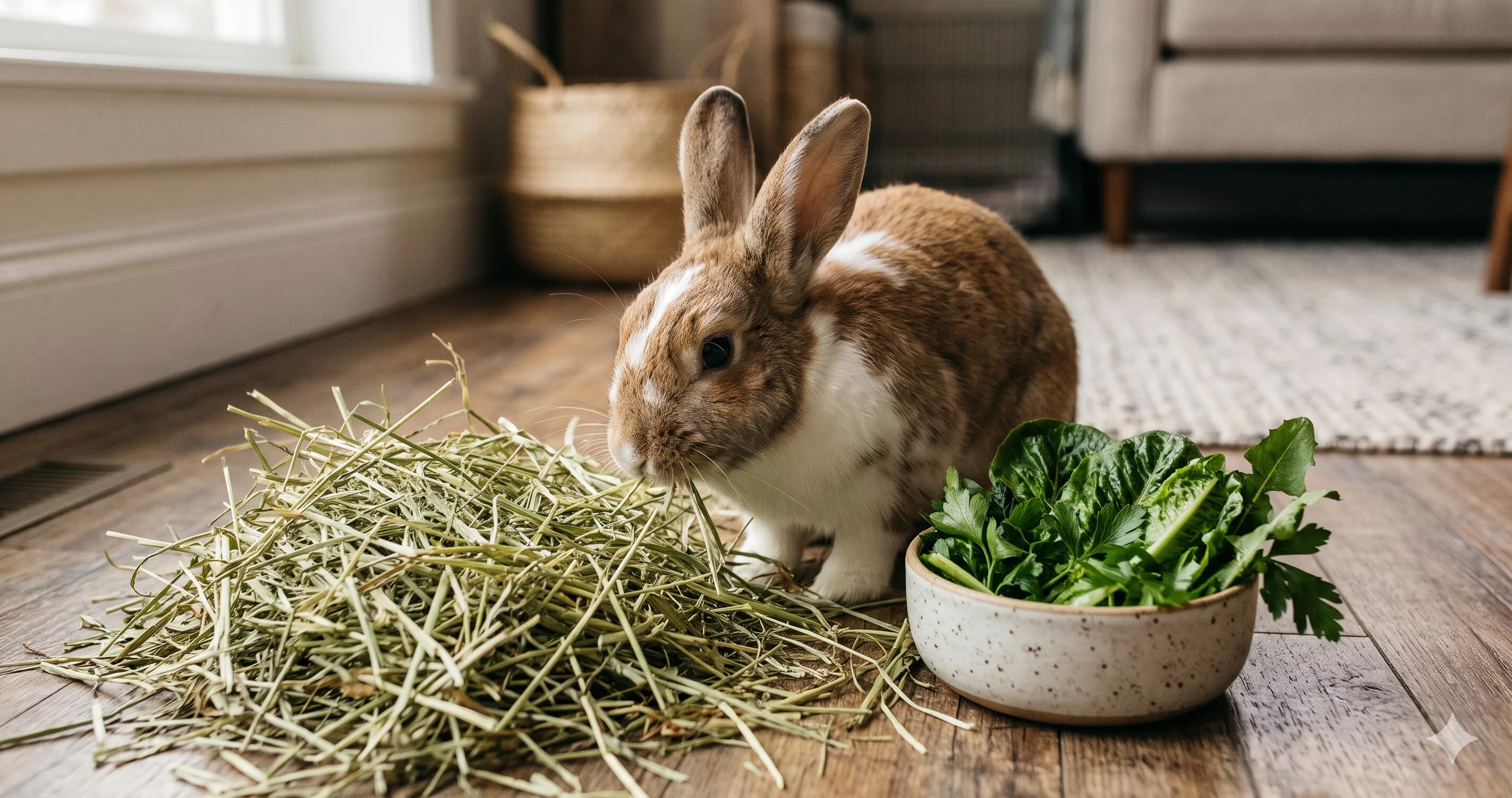
Pet Name Generator for Dogs, Cats and Small Pets

Pick a pet, a style and, if you like, a coat colour. You get 12 names at a time from a hand-picked list of 656 names. Save the ones you like and keep shuffling.

Names are picked at random from our own list. Pairs ignore the style and colour choices.

Hand-Picked List

656 ordinary names and words, grouped by style and colour.

Dog-Friendly Filter

Dog results skip names that sound like common cues, following AKC's advice.

Save Your Favourites

Saved names stay in this browser only. We do not collect them.

Quick Answer

This generator picks names at random from a hand-picked list, filtered by pet, gender, style, coat colour and length. For dogs, the American Kennel Club advises short, clear names, preferably two syllables ending in a vowel, that do not sound like cues such as "sit" or "no"; for cats, PetLog and Purina give similar advice. In Canada, Luna, Milo and Bella are among the most common dog names, according to a news report of Spot Pet Insurance's 2025 claims data.

How This Tool Works

Choose the pet, who the name is for, a style and, if you like, a coat colour and length, then generate 12 names at a time.

  1. You pick the pet, who the name is for (any, girl or boy), a style, an optional coat colour and an optional length limit.
  2. The tool filters its list by those choices, mixes in a few colour-themed names if you chose a colour, and picks 12 at random. Names already shown are skipped until the list runs out.
  3. You save the names you like with the heart button and copy them. Saved names stay in your browser only.

How to Choose a Dog's Name (AKC Advice)

The American Kennel Club's guide to choosing a dog's name, which is written for dogs, gives these points. We have not found an equivalent source for other pets, so treat them as ideas for cats and small pets, not as rules.

  • Keep it short and clear. AKC says to think "short and snappy rather than long, soothing, or singsong", and recommends two-syllable names, preferably ending in a vowel, such as "Daisy" or "Rocky".
  • Avoid cue look-alikes. AKC says to choose a name that doesn't sound like other words your dog hears often, such as cues. Its examples: "Kit" sounds too much like "sit", and "Moe" or "Joe" sound like "no". Names similar to family members' or other pets' names can also cause confusion.
  • Use a short call name. A longer registered name is fine, with a short everyday call name.
  • Think about how it sounds out loud. Avoid names that could be offensive, embarrassing or awkward to say in public.
  • Try it first. AKC suggests spending a few days trying a name and watching your dog's reaction. Changing your mind later is fine, because dogs can learn a new name with consistent practice.
  • Consider avoiding the most common names if you want one that is uniquely your dog's.

AKC also says the average dog does not tell similar-sounding speech sounds apart, so there is no need to build a name around a hard consonant.

Spot Pet Insurance analysed its 2025 insurance claims data for the most common pet names in Canada, as reported by Kamloops BC Now. The data covers insured pets only, so it may not match all pets. We have not read Spot's own release, so these lists come from the news report.

Dogs

  1. Luna
  2. Milo
  3. Bella
  4. Daisy
  5. Teddy
  6. Charlie
  7. Coco
  8. Cooper
  9. Max
  10. Bailey

Cats

  1. Luna
  2. Leo
  3. Milo
  4. Simba
  5. Oreo
  6. Loki
  7. Mochi
  8. Charlie
  9. Bella
  10. Max

How Results Are Estimated

There is no formula. The names come from a hand-picked list of ordinary given names and words that we wrote ourselves, grouped by style and colour, and the tool filters and shuffles it.

Gender tags and syllable counts are our own judgement, checked by hand, and some names suit any pet. The cue look-alike tag covers one-syllable names that rhyme with common cues (for example Jake, Lake, Snow, Steel, Coal); it extends the AKC examples (Kit, Joe, Moe) and the PetLog and Purina advice, and is not their list. Matching pairs come from a separate hand-picked list and ignore the style and colour choices.

Pool = names in the chosen style(s) keep names matching the chosen gender (unisex names match both) if "Short": keep names of 1 or 2 syllables if the pet is a dog or cat: drop names tagged as cue look-alikes If a colour is chosen: up to 4 names come from that colour list The rest are picked at random from the pool, skipping names already shown

Important Limitations

This tool provides an estimate, not a diagnosis. Keep these limitations in mind when reading your result:

  • The name list is small compared with all possible names and is chosen by us. It is not a ranking of what is best for a pet.
  • The AKC naming advice is written for dogs. For cats we use PetLog and Purina (neither is a veterinary body). We have not found an equivalent source for rabbits, guinea pigs or hamsters, so the advice is offered only as ideas for them.
  • The cue filter is not complete. Say the name out loud, try it for a few days, and check it against the cues you use.
  • The Canadian popularity lists come from a news report of insured-pet claims data, so they describe insured pets only, and we have not read Spot Pet Insurance's own release.
  • Names can have meanings in other languages or cultures. Check a name you are unsure about before choosing it.

Example Calculation

An example run for a girl dog with a short name and a Canadian style.

  1. Settings: Dog, Girl, Style: Canadian, Length: Short.
  2. The tool keeps Canadian-style names tagged girl or unisex that have 1 or 2 syllables, such as Maple, Juno or Willow.
  3. It hides names tagged as cue look-alikes for dogs and skips any it has already shown.
  4. It picks 12 at random and shows them. A different click gives a different 12.
Example result: 12 short, Canadian-themed names, such as Maple, Juno and Willow, that you can save and copy.

Frequently Asked Questions

You choose a pet, who the name is for, a style and, if you like, a coat colour and a maximum length. The tool picks names at random from a hand-picked list and shows 12 at a time. Choosing a colour mixes a few colour-themed names into the results. Nothing is sent to a server: the names are chosen in your browser.

The American Kennel Club (AKC) says to think "short and snappy rather than long, soothing, or singsong", and recommends two-syllable names, preferably ending in a vowel, such as "Daisy" or "Rocky". It also suggests avoiding names that could be offensive, embarrassing or awkward to say in public, and spending a few days trying a name to see how your dog reacts.

The AKC says to choose a name that does not sound like other words your dog hears often, such as cues. Its examples are "Kit", which sounds too much like "sit", and "Moe" or "Joe", which sound like "no". It adds that names similar to family members' or other pets' names can also cause confusion. When you pick Dog or Cat, this generator hides one-syllable names that rhyme with common cues. That list is our own extension of the AKC, PetLog and Purina examples, so it is not complete.

Yes. The AKC says it is fine to change your mind and that dogs can learn a new name with consistent practice and encouragement. It suggests saying the name in a happy tone and rewarding the moment your dog looks at you.

Spot Pet Insurance analysed its 2025 claims data, and a Kamloops BC Now report of that analysis lists Luna, Milo, Bella, Daisy and Teddy as the top five dog names, and Luna, Leo, Milo, Simba and Oreo as the top five cat names. The data covers insured pets only, and we have not read Spot's own release.

Yes. The same name list is used for every pet, so pick the style and colour you like. The AKC naming advice above was written for dogs. For cats, PetLog and Purina give similar advice (short names, not like commands), and the cue-sound filter is applied to dogs and cats. We have not found an equivalent source for rabbits, guinea pigs or hamsters.

Tick "Matching pair names" for names that go together, such as Salt & Pepper, for two pets that share a home. Pairs ignore the style and colour choices.

Saved names are kept in your own browser (local storage) so they are still there next time. We do not collect them. If your browser blocks storage, they last until you leave the page.

References

General public resources referenced while researching this tool's topic.

Editorial Note

This tool is part of PetNurture's educational library. Its formulas and guidance draw on publicly available educational resources, recognised veterinary organisations, and established animal welfare references where appropriate — see the References section below for the specific sources used on this page.

It is provided for general educational purposes and is not a substitute for advice, diagnosis, or treatment from a qualified veterinarian.

Educational Use Notice

Last updated: May 2026

The information provided by this tool is for general educational and informational purposes only. Results are estimates, not a diagnosis, and may vary based on your pet's breed, age, health conditions, activity level, diet, and individual factors.

PetNurture does not provide veterinary, medical, or emergency care advice. Always consult a licensed veterinarian or qualified pet care professional regarding your pet's specific health, nutrition, or medical needs.

While we strive to keep calculations accurate and up to date, PetNurture makes no guarantees regarding completeness, reliability, or accuracy. Use this tool at your own discretion.

How we calculate results: This tool uses commonly referenced veterinary formulas, feeding guidelines, and breed-size estimates to provide general educational guidance. Individual pets may have different nutritional, behavioral, or medical needs that are not captured by any generalized formula.