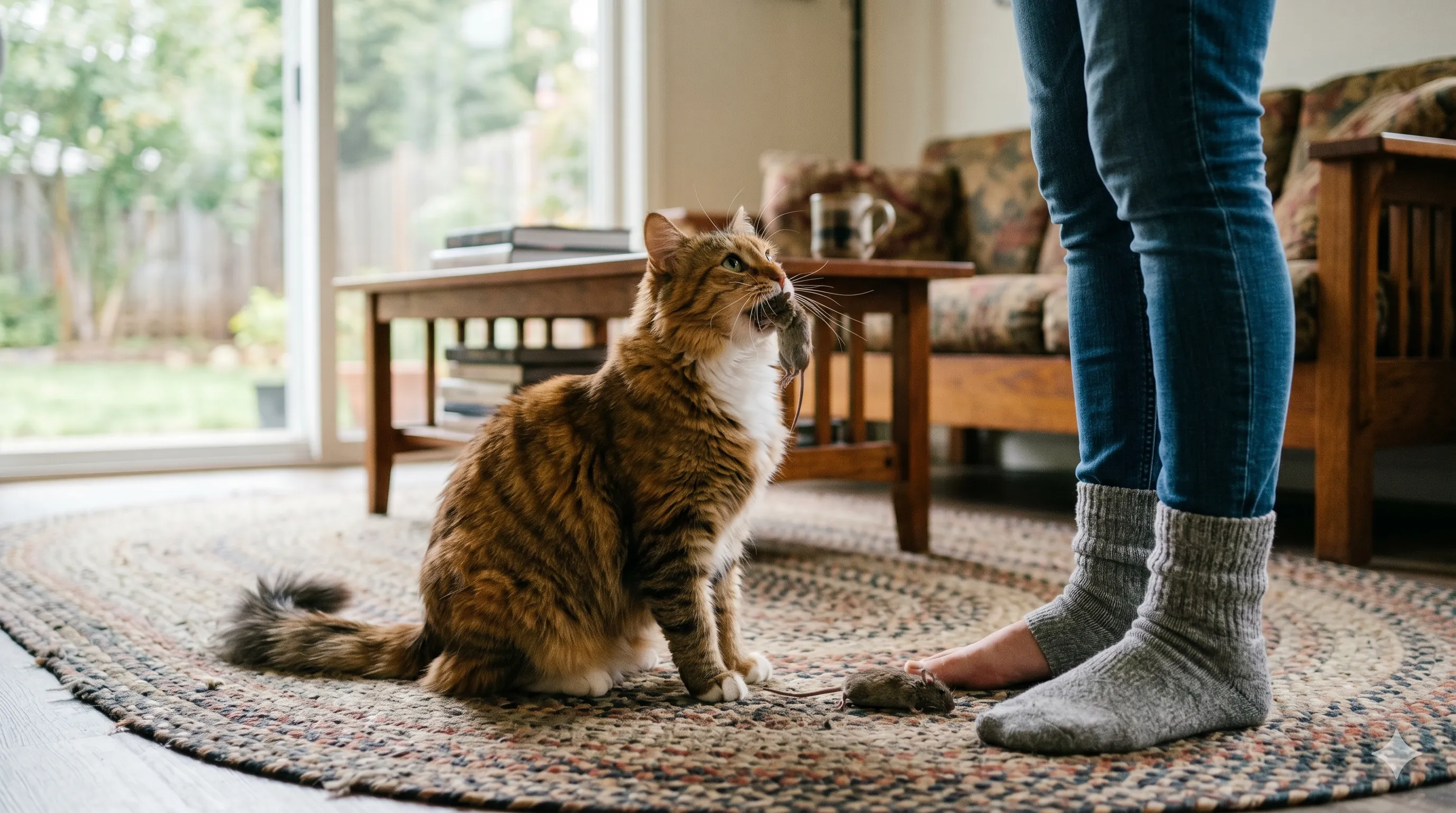
Why Does My Cat Meow So Much? (Meanings, Reasons & How to Stop Excessive Meowing)
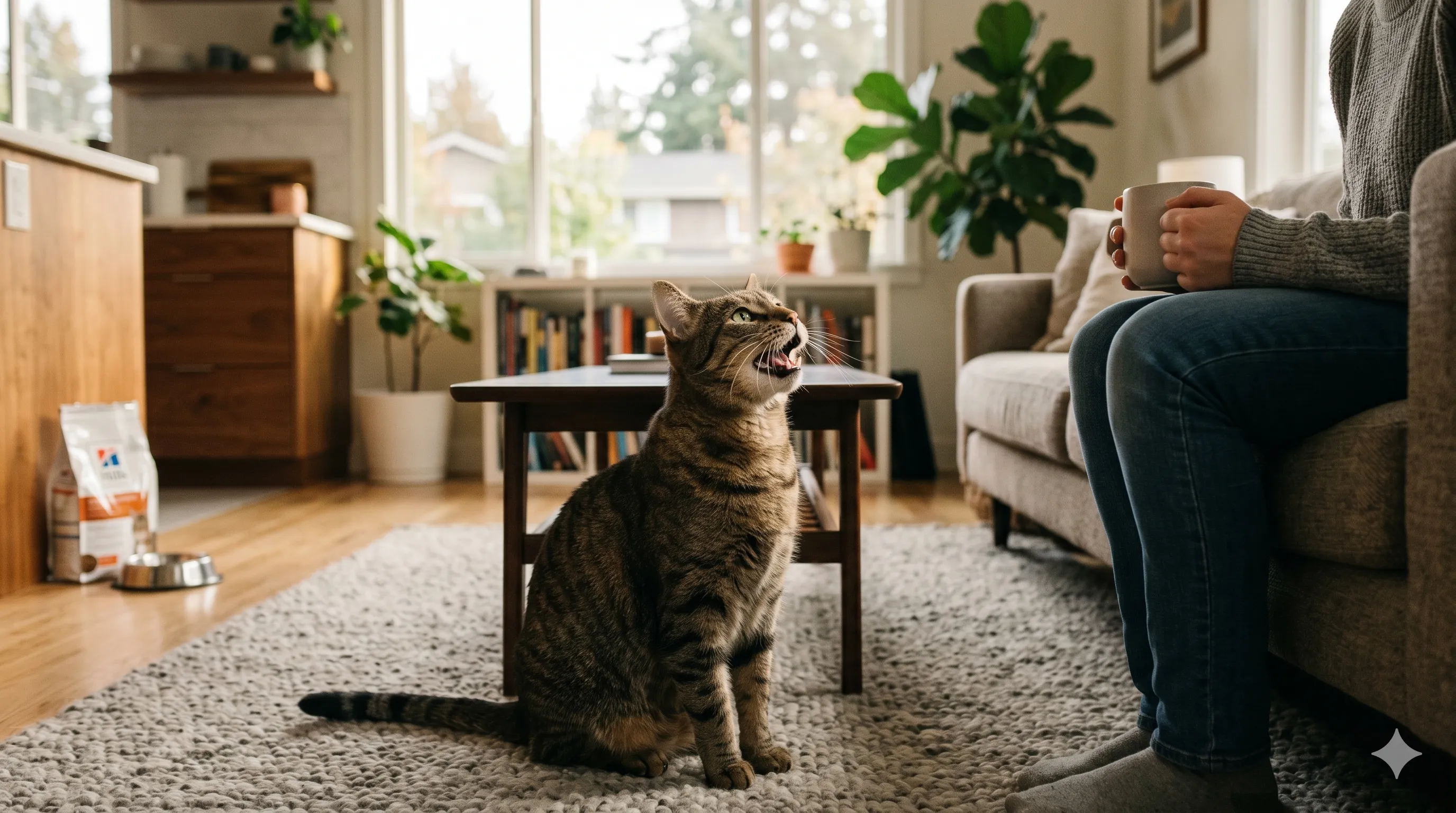
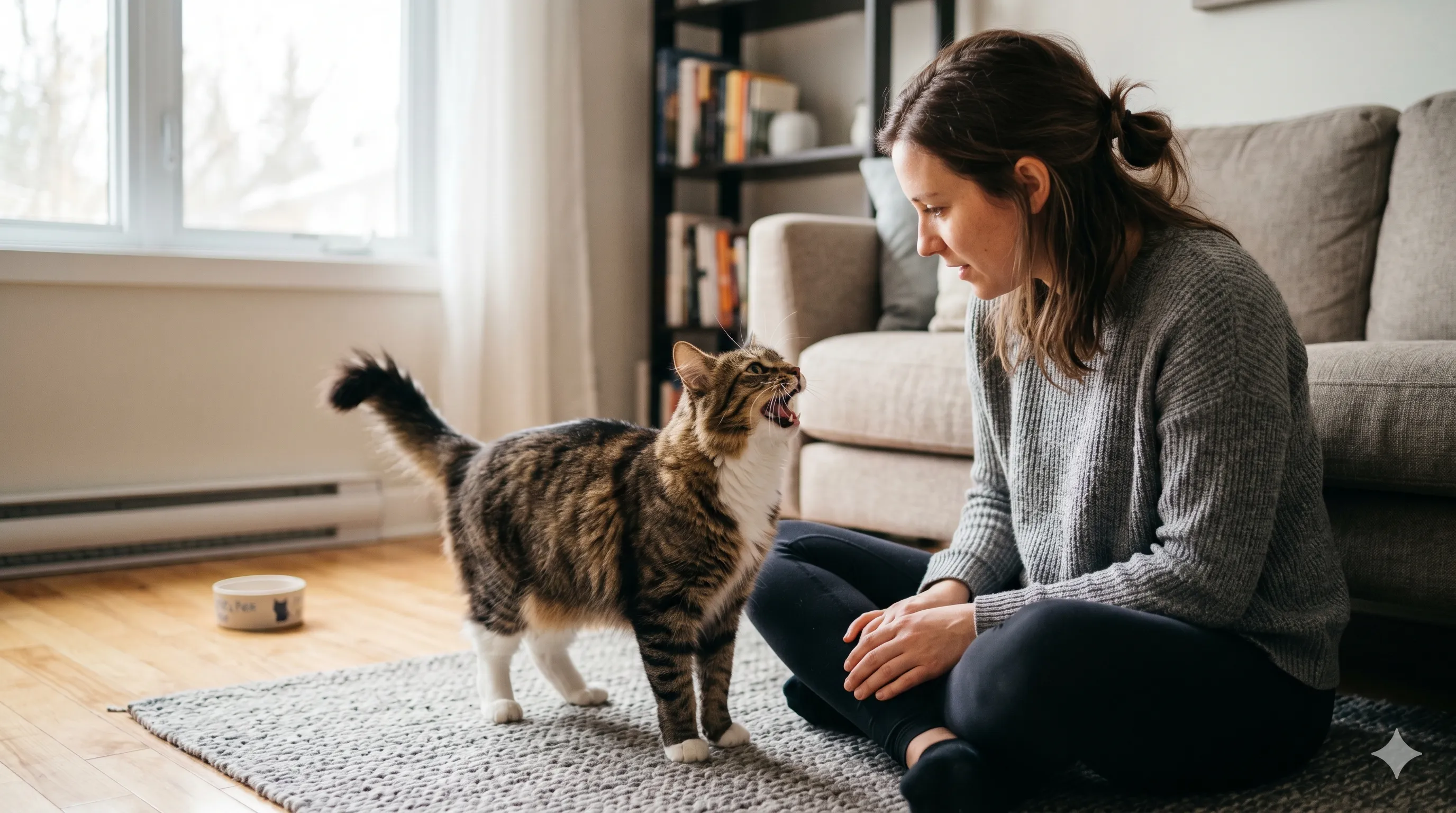
If your cat keeps meowing constantly, it can be confusing and sometimes frustrating. While occasional meowing is normal, repeated or excessive vocalization often means your cat is trying to communicate something important.
If you're wondering why your cat meows so much, understanding the meaning behind the behavior is the first step to solving it.
Why Does My Cat Meow So Much? (Quick Answer)
Cats meow frequently to communicate needs such as hunger, attention, stress, or discomfort. Occasional meowing is normal, but excessive or sudden changes may indicate behavioral or health-related issues.
Identifying the pattern is key to understanding the cause.
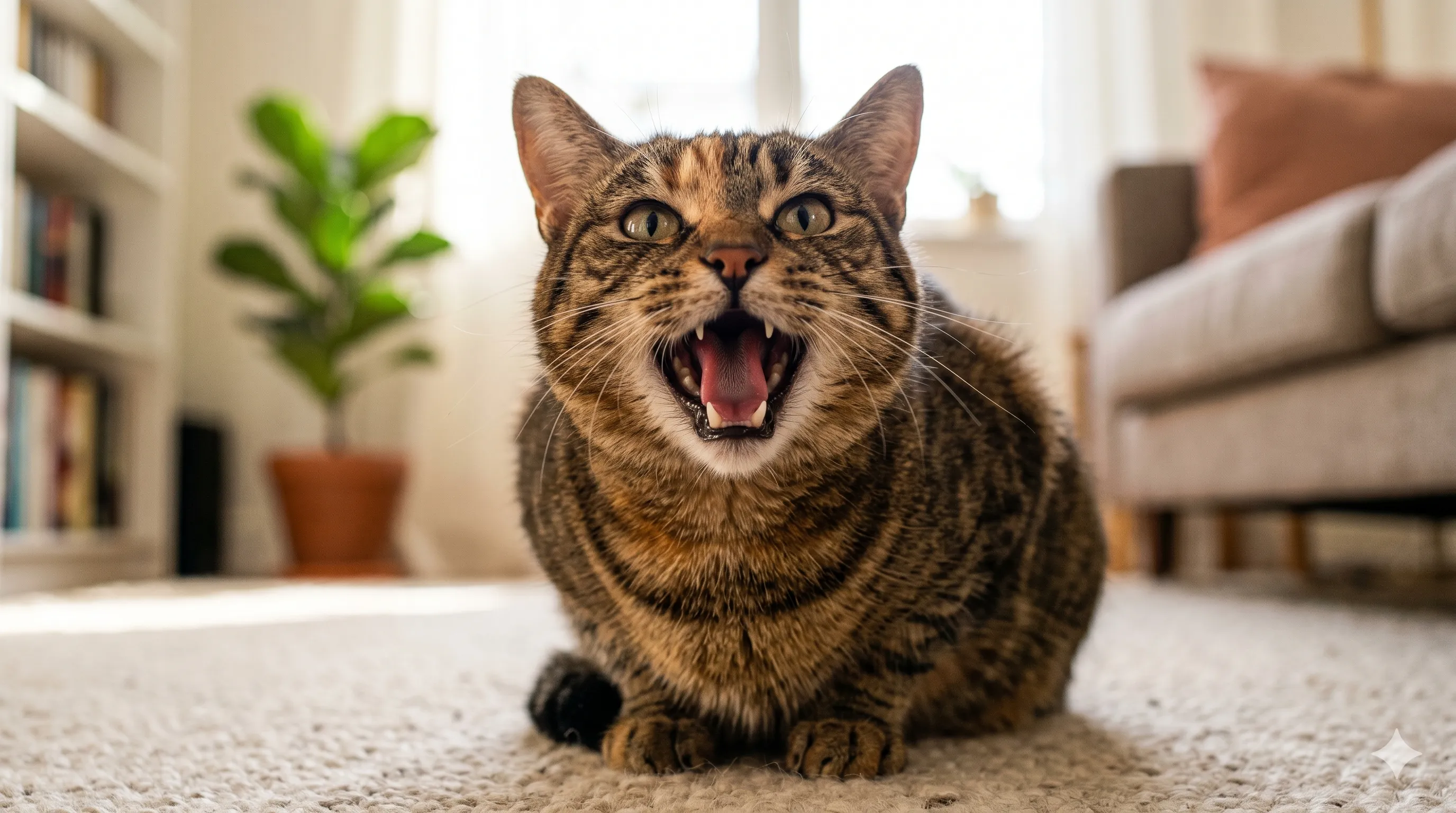
Types of Cat Meows & Their Meaning
| Type of Meow | Meaning | What to Do |
|---|---|---|
| Short, soft meow | Greeting or attention | Respond calmly |
| Loud repeated meow | Urgent need (food/attention) | Check needs |
| Low-pitched meow | Discomfort or irritation | Observe closely |
| High-pitched cry | Pain or distress | Check immediately |
| Night-time meowing | Boredom or confusion | Adjust routine |

Normal vs Excessive Meowing
- Normal: Occasional, situational, predictable
- Excessive: Frequent, repetitive, sudden increase
If your cat's behavior changes suddenly, it's important to investigate further.
6 Real Reasons Why Cats Meow Excessively
1. Attention-Seeking Behavior
Cats quickly learn that meowing gets your attention.
2. Hunger or Routine
Cats expect food at specific times and may vocalize if delayed.
3. Boredom
Lack of stimulation often leads to repetitive meowing.
4. Stress or Anxiety
Changes in environment can trigger vocal behavior.
5. Medical Issues
Sudden or unusual meowing may indicate discomfort or illness.
6. Age-Related Changes
Older cats may vocalize more due to cognitive changes.
Common Situations Explained
Cat Meowing at Night
Usually caused by excess energy or disrupted routine.
Cat Meowing Near Food Bowl
Indicates hunger or learned feeding patterns.
Cat Following You and Meowing
Attention-seeking or bonding behavior.
How to Stop Excessive Meowing
1. Identify the Cause
Observe patterns instead of reacting immediately.
2. Avoid Reinforcing Behavior
Do not respond every time if it's attention-seeking.
3. Create Routine
Consistent feeding and play schedules reduce anxiety.
4. Provide Stimulation
Interactive toys and playtime reduce boredom.
5. Reduce Stress
Maintain a calm and stable environment.
6. Check Health
Consult a vet if behavior changes suddenly.
Common Mistakes to Avoid
- Responding every time
- Ignoring sudden changes
- Not providing enough stimulation
Real-Life Example
A cat that meowed constantly for attention reduced the behavior significantly after structured play sessions and routine feeding.
Final Thoughts
Meowing is your cat's way of communicating not just noise.
Understanding the meaning behind it helps you respond correctly and reduce excessive behavior.
This content is curated and reviewed for accuracy to provide helpful and reliable guidance for pet owners.
Disclaimer: This content is provided for informational and educational purposes only and should not be considered veterinary, medical, behavioral, or training advice. While we strive for accuracy, we make no guarantees regarding completeness or results. Always consult a licensed veterinarian or qualified pet care professional before making decisions about your pet’s health, diet, or behavior.
Note: Some images in this article may have been generated or enhanced using artificial intelligence for illustrative purposes.
Frequently Asked Questions
Related Articles
Why Does My Cat Meow So Much? (Real Reasons, Hidde…
April 22, 2026
Why Do Cats Sleep So Much? (Real Reasons, Sleep Cy…
April 21, 2026